
Original Comic & Graphic Novel Creators
Build a complete visual narrative from a premise, cast, world or series concept with clear issue and chapter momentum.
Comic and graphic storytelling asks words and images to share the same space. Character, dialogue, panel rhythm, scene transitions and page reveals have to work visually—not simply read like prose broken into boxes.
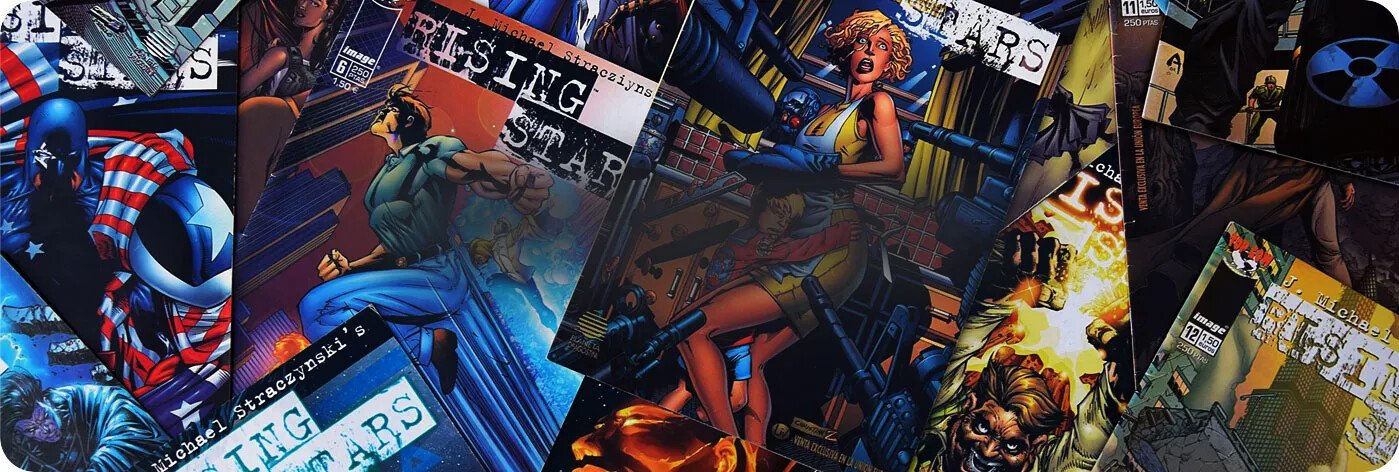
Every panel controls time, attention and information. Dialogue competes with artwork for space. A page turn can become a reveal, a joke, a shock or a change in scale. That makes script decisions inseparable from the reading experience.
We help shape the story for sequential art by clarifying scene objectives, visual beats, page flow, dialogue economy and continuity so the script gives an artist enough direction without over-directing every image.
Comic projects can begin with visual concepts, dialogue, scenes, lore, prose or rough thumbnails. The workflow adapts to the material already in hand.
Build a complete visual narrative from a premise, cast, world or series concept with clear issue and chapter momentum.
Organize powers, conflict, action geography, world rules and visual reveals without losing character stakes.
Translate real events, expertise or personal experiences into scenes, visual metaphors and concise narration.
Convert a short story or novel concept into panel-ready beats instead of compressing paragraphs directly into captions.
Dialogue, captions and panel descriptions should support the visual story instead of repeating it. We keep the script readable for collaborators while protecting the pace the audience will experience on the finished page.
Break scenes around actions, reactions, discoveries and changes that can actually be shown in a panel sequence.
Let character voice feel specific without filling every panel with text that competes with the art.
Place reveals, entrances, reversals and larger visual moments where the physical or digital page can amplify them.
Describe what the reader needs to understand, track continuity and leave room for visual interpretation where multiple solutions could work.
The workflow moves from premise and format into story architecture, page planning, script development, revision and production preparation while keeping the final visual reading experience in view.
Clarify the format, audience, premise, cast, world, visual tone and whether the project is a one-shot, series, issue or graphic novel.
Map the major story turns, issue or chapter arcs, character progression and the moments that deserve visual emphasis.
Translate scenes into pages and panel beats so reveals, action, dialogue and transitions have intentional space.
Write panel descriptions, dialogue, captions and scene transitions in a clear format an artist can work from.
Tighten text density, continuity, visual logic, action clarity, page turns and any panels trying to communicate too much at once.
Move the refined script toward editing, visual development, cover design, publishing, marketing and reader discovery.
Sequential art rewards precision. Every extra line of dialogue, unnecessary panel or unclear action can change the pace and visual balance of the finished comic.
Give each panel a clear storytelling job so pages do not become crowded with repeated or low-value beats.
Vary panel density and scene length so quiet moments, action sequences and reveals each receive the space they need.
Keep speech readable, character-specific and concise enough to coexist with the artwork instead of dominating it.
Track positions, props, costumes, injuries, time of day, entrances and exits so consecutive panels remain understandable.
Break complex movement into readable beats that communicate cause, effect and geography without scripting every camera angle.
Maintain consistent powers, technology, mythology, relationships and visual details across issues or longer arcs.
Editing, cover direction, publishing, marketing, author presence and supporting media should reinforce the same visual identity, audience and story promise instead of being treated as unrelated tasks.
Refine structure, script clarity, continuity, dialogue, captions and page-level pacing before production.
Explore → 02Develop a cover direction that communicates genre, character, energy and reader expectation before the first page is opened.
Explore → 03Plan formats, ISBN guidance, production and distribution around the selected comic or graphic publishing route.
Explore → 04Position the project around its audience, visual hook, characters, themes and strongest reasons to discover the series.
Explore → 05Create an online home for the comic, creator story, character or series information, media, events and future releases.
Explore → 06Where the project supports adaptation, explore audio presentation for dialogue-led stories or companion editions.
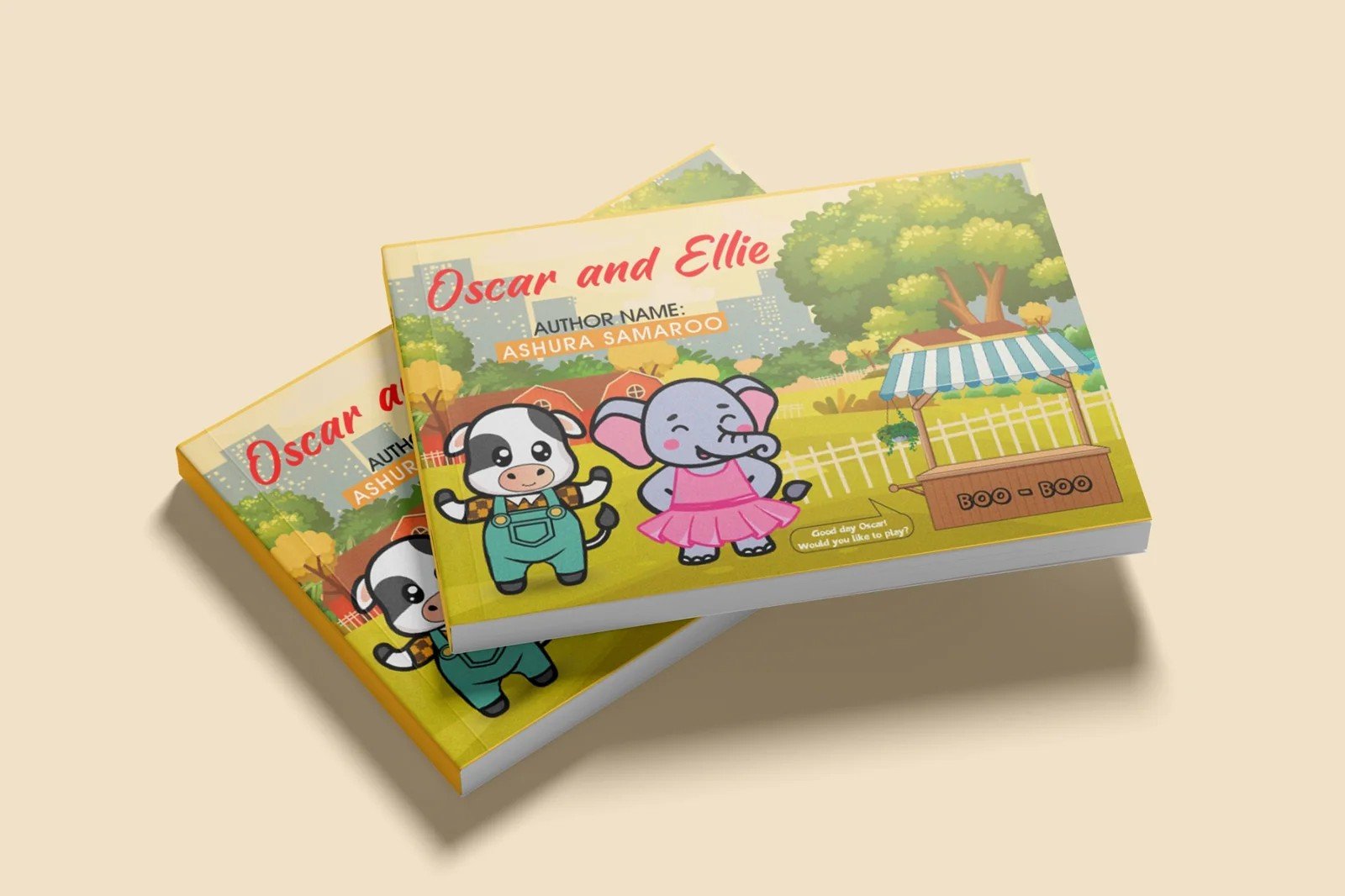
Explore →Our current portfolio does not present these titles as dedicated comic-book case studies. The illustrated children’s projects below are used transparently as proof of visual-book presentation, layout awareness and finished publishing quality.
A bright illustrated children’s title presented in a landscape book format. It is shown here as related proof of illustrated-book production and visual pacing, not as a comic-book case study.
Explore Published Work →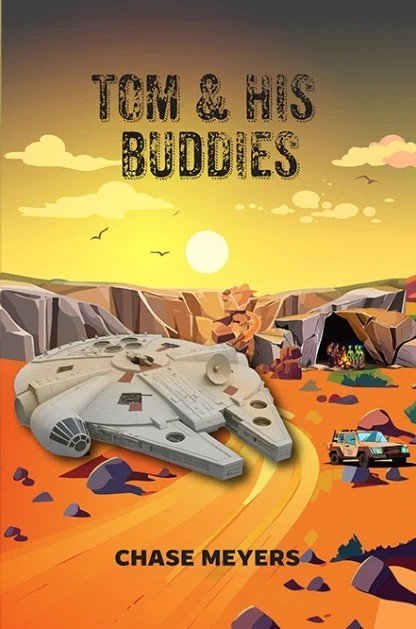
A colorful children’s adventure title from the Uptown published-work collection. This second illustrated title demonstrates how story, visual identity and production need to feel coordinated across the finished book.
A middle-grade graphic novel, adult literary comic, superhero series, manga-inspired project and non-fiction graphic work carry different expectations. Positioning should guide format, cover, categories and launch language without flattening the project into one generic comic aesthetic.
Single issue, trade collection, graphic novel, webcomic or serialized release changes page planning, production and reader expectations.
Age range, genre, visual density, tone and comparable creators help define the audience most likely to connect first.
A distinctive character, world, conflict, style direction or recurring visual idea gives the project a clearer identity in a crowded category.
When page goals, scene logic and character continuity are clear, collaborators can focus on stronger visual choices instead of solving avoidable story confusion during production.
“As a first-time author, having people willing to guide me made a big difference.”
“The team has been very professional throughout the process.”
“They listened patiently and guided me step by step through every stage of publishing my book.”
You can begin with a premise, character sheet, issue outline, prose draft, dialogue, rough thumbnails or a partial script. The sequential structure can be developed from the material you already have.
Yes. Adaptation usually means rebuilding scenes around visual beats, page limits and dialogue economy rather than simply shortening the prose.
No. A clear script can be developed first, then used to guide visual development and collaboration with an artist.
Detailed enough that the action, emotion, location and continuity are understandable, but not so rigid that every panel becomes a camera-direction document.
Yes. We can map character arcs, world rules, issue goals, recurring conflicts and longer reveals while making sure individual installments still have their own movement.
Yes. Editing, cover design, publishing, author website design and marketing can be coordinated once the script and production plan are ready.
Share your premise, notes, sample scenes, prose, script pages or series outline. Name, Phone Number and Email are the only required fields. Everything else is optional.
Prefer to talk? 332-264-9264Start with a private conversation about the format, characters, visual idea and material you already have. We’ll help define the next practical step.
Your final live-chat provider will appear here. Until then, this fallback captures a normal website inquiry.