
Family & Legacy Projects
Preserve the life of a parent, grandparent, spouse or family figure with more depth than a collection of dates and photographs.
A biography turns research, memories, records and lived context into a story readers can actually follow. We help shape the facts around a clear narrative, a believable human portrait and a reason the life matters now.

A person can leave behind interviews, documents, photographs, public records, family stories, professional milestones and decades of chronology. A biography becomes readable when those materials are organized around meaningful questions: What shaped this person? What did they change? What did they overcome? What should the reader understand by the final page?
We help turn the research into a coherent book by identifying the strongest narrative spine, building context around important moments and balancing documented fact with the human details that make a subject feel present on the page.
Biography can serve families, organizations, founders, public figures and communities when the goal is to document a life with enough context for readers who did not witness it.
Preserve the life of a parent, grandparent, spouse or family figure with more depth than a collection of dates and photographs.
Document the decisions, setbacks, relationships and turning points behind a career, company or professional legacy.
Build a researched narrative around a person whose work, service, ideas or influence reached beyond their immediate circle.
Turn interviews, articles, recordings, correspondence, research files and existing records into a structured book plan.
Dates and accomplishments create the framework. Character comes from choices, relationships, pressure, contradiction, environment and the small details that explain how a person moved through the world.
Separate what is documented, what is remembered and what still needs verification before shaping the narrative.
Help the reader understand the family, place, period, culture, industry or events surrounding the subject’s decisions.
Look for recurring motivations, conflicts, values and turning points rather than treating every life event as equally important.
A credible biography can acknowledge tension, uncertainty and contradiction without flattening the subject into a perfect hero or simple lesson.
The research load can vary widely, but the workflow should stay clear enough that source material, narrative decisions and author approvals do not become tangled.
Clarify the subject, scope, audience, purpose and the period of life the book needs to cover.
Inventory existing sources and identify interviews, records or context that may still be needed.
Create the chronology, chapter direction, turning points and central themes that will guide the book.
Draft chapters with fact, scene, context and character working together rather than in separate layers.
Review continuity, source-based details, pacing, clarity and the balance between context and narrative.
Move the finished manuscript into editing, design, publishing and the next stage of its reader journey.
Biography needs enough evidence to be credible and enough narrative discipline to remain readable. The craft is in knowing what deserves detail, what needs context and what can move quickly.
Decide whether the book covers an entire life, a defining period, a professional legacy or one central contribution.
Organize interviews, documents, public records, articles, photographs and existing material so details remain traceable.
Keep time understandable while allowing the narrative to slow down around the moments that matter most.
Show how family, mentors, rivals, colleagues, communities and institutions influenced the subject’s path.
Give readers enough historical or professional background to understand the stakes without turning the book into a textbook.
Handle living people, private material, disputed memories and reputational concerns with deliberate editorial boundaries.
Once the manuscript is strong, the next decisions are production decisions: editorial polish, visual identity, publishing route, reader positioning and—where useful—audio.
Strengthen structure, consistency, fact presentation and line-level clarity before production.
Explore → 02Translate the subject, period and positioning into a cover that feels credible and professionally produced.
Explore → 03Plan formats, ISBN guidance, production and distribution around the selected publishing route.
Explore → 04Build visibility around the subject, audience, themes and reasons the biography matters to readers now.
Explore → 05Extend the finished biography into audio with narration and production suited to long-form nonfiction.
Explore →Our broader published-work portfolio shows how author material can move from development into a finished book. These examples demonstrate production quality and author continuity rather than being presented as biography titles.
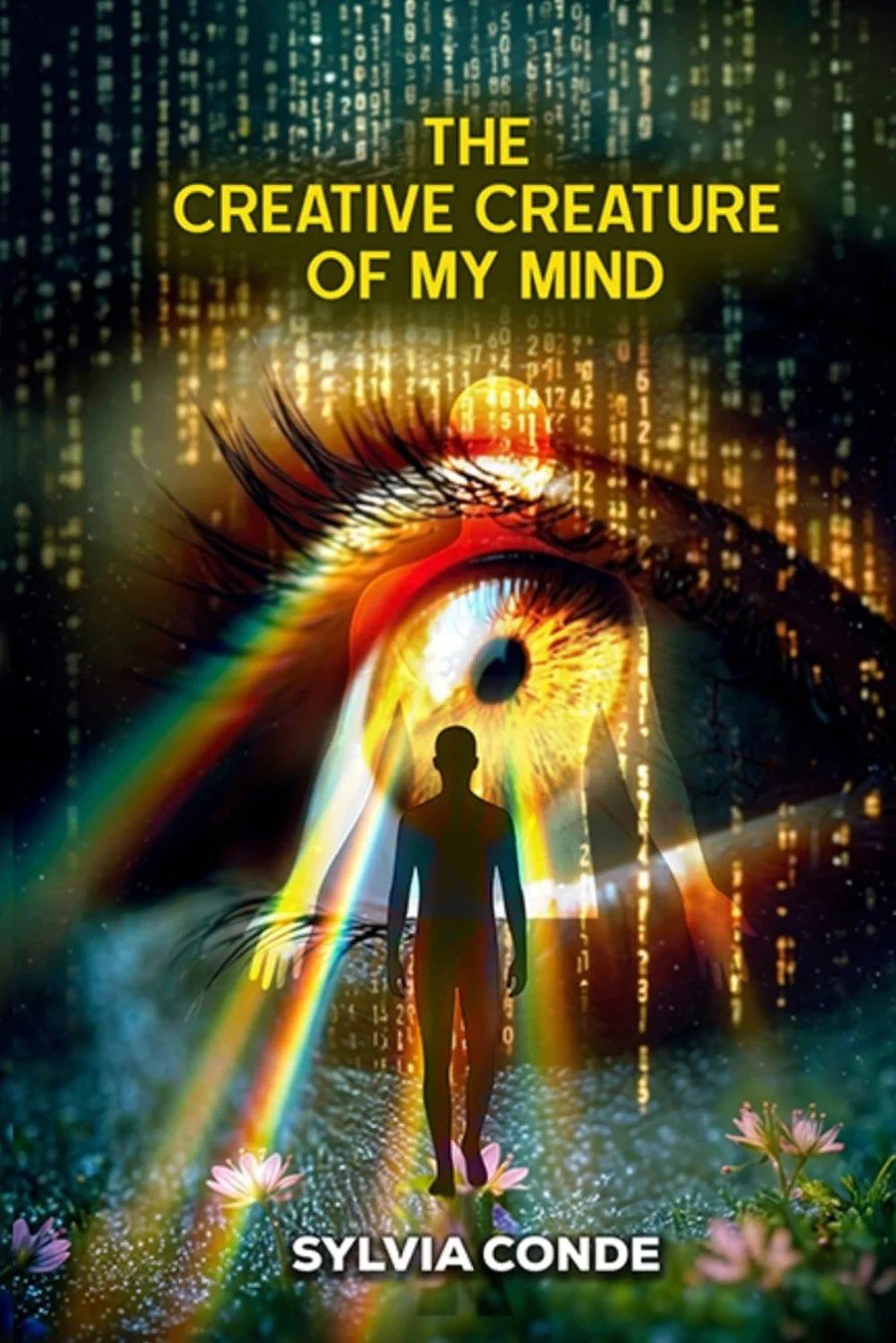
A published work exploring creativity and expanding consciousness. It is included here as evidence of the finished-book standard, editorial presentation and production pathway available after manuscript development.
View Published Work →
A published story brought to market as part of an ongoing author relationship. Long-form author relationships matter because a book is not only a manuscript—it is a complete journey toward readers.
The subject may be important to the family, company or author commissioning the book. Positioning asks a different question: what will make an outside reader care, and how should that promise shape the manuscript and packaging?
Leadership, service, invention, survival, culture, family, faith or another defining contribution can become the book’s clearest throughline.
Family, industry peers, community members, history readers, students or a broader audience may each need different levels of context.
Title direction, subtitle, cover language, metadata and categories should make the subject and the reader promise understandable at a glance.
Authors and families should understand what is happening at each stage—from source gathering to manuscript decisions and final production.
“As a first-time author, having people willing to guide me made a big difference.”
“The team has been very professional throughout the process.”
“They listened patiently and guided me step by step through every stage of publishing my book.”
You can start with a subject and a reason for telling the story. The research plan can be developed from there.
No. Existing research is helpful, but the project can begin by identifying what you already have and what additional interviews, records or source material may be needed.
Yes. The approach may rely more heavily on archives, family interviews, published records, correspondence, photographs and other available sources.
A biography is written about another person and usually requires a stronger research and verification framework. An autobiography is told from the author’s own first-person perspective.
Yes. Multiple perspectives can add detail and context, but they need to be organized carefully because memories may differ or conflict.
Yes. Editing, cover design, publishing, marketing and audiobook production can be added as separate stages around the finished manuscript.
Bring the subject, notes, recordings, interviews, photographs, records, existing chapters or research you already have. Name, Phone Number and Email are the only required fields. Everything else is optional.
Prefer to talk? 332-264-9264Start with a private conversation about the subject, the material you already have and the legacy or reader experience the finished book should create.
Your final live-chat provider will appear here. Until then, this fallback captures a normal website inquiry.