
Developmental Editing
Big-picture review of structure, pacing, organization, character or argument development, chapter flow and overall reader experience.
Move from a draft that is almost there to a manuscript that reads with more clarity, consistency and confidence. We match the editorial approach to what the book actually needs — from big-picture structure to final proofreading.

Editing works best when the scope matches the stage of the book. A manuscript that still needs structural decisions should not be treated like a final proof, and a nearly finished book should not be overworked just to make the process look bigger.
Big-picture review of structure, pacing, organization, character or argument development, chapter flow and overall reader experience.
Sentence-level attention to clarity, rhythm, repetition, tone, transitions and how effectively the prose communicates the author’s intent.
Grammar, usage, punctuation, consistency, syntax and style-level corrections while protecting the established voice and meaning.
A final quality-control pass for typographical, punctuation, spelling and formatting inconsistencies after major revisions are complete.
A strong editorial pass connects the large decisions to the small ones. Structure, voice and pacing influence sentence-level choices, while consistency and mechanics shape how professionally the final manuscript reads.
Does the book have a clear shape, sequence and progression that supports the reader?
Do scenes, chapters or arguments move at the right speed without dragging or rushing key moments?
Does the language feel consistent with the author, audience, genre and purpose of the book?
Can the reader understand what matters without unnecessary repetition, ambiguity or over-explanation?
Are names, timelines, facts, terminology, character details and internal references consistent?
Are grammar, punctuation, usage, spelling and style choices handled cleanly and consistently?
Good editing improves the reading experience without flattening personality. The goal is to identify what is getting in the way — then make purposeful changes while preserving the tone, emphasis and perspective that belong to the author.
There were several different reasons that made her decide in that particular moment that she really needed to leave the room quickly.
Several reasons converged at once. She left the room before she could talk herself out of it.

A memoir should not be edited like a business book, and a novel should not be reviewed like a practical guide. The editorial lens has to change with the kind of reading experience the author is trying to create.
The exact workflow changes by project, but the sequence should keep the larger editorial decisions ahead of final polish.
Review the manuscript, goals and current stage before deciding how much editorial intervention is appropriate.
Work through the agreed level of structural, line, copy or proofreading changes with clear editorial reasoning.
Give the author room to review suggestions, respond to questions and make decisions that protect intent and voice.
Resolve remaining inconsistencies, confirm revisions and make sure major changes have not introduced new problems.
Complete the agreed final pass so the manuscript can move into the next production or publishing stage with confidence.
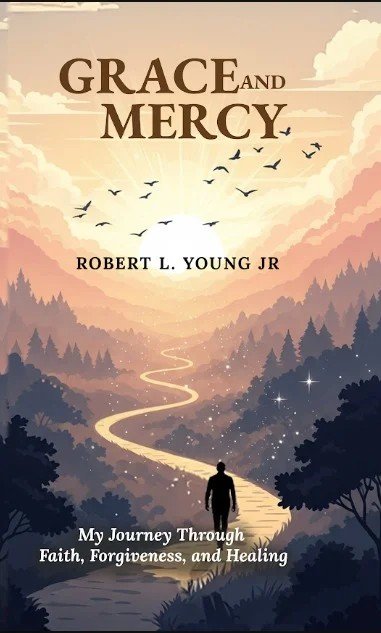
Once a manuscript is stable, the publishing workflow becomes easier to manage — from interior formatting and cover copy to metadata, production files and launch materials. These titles are selected published work from the wider Uptown portfolio.
Explore Published Work →

Your name, phone number and email are the only required fields. You can optionally tell us the book type, approximate stage and what you are most concerned about.
Prefer to talk? 332-264-9264The editing level, timeline and deliverables should be clear before work begins.
Developmental editing looks at the big picture — structure, pacing, organization, character or argument development, and whether the manuscript works as a whole. Copyediting works at sentence level to improve grammar, usage, consistency and correctness without rebuilding the manuscript’s core structure.
Not every manuscript needs every editing stage. The right sequence depends on how complete the draft is, how much structural work remains and what has already been reviewed. A manuscript should usually be structurally stable before final proofreading begins.
The goal is not to make every manuscript sound the same. A good edit should improve clarity, rhythm and consistency while protecting the author’s intent and voice. Suggested changes should be explainable rather than arbitrary.
Yes. The editorial questions differ by project: fiction may need attention to character, pacing, continuity and scene flow, while non-fiction may require stronger organization, argument clarity, reader guidance and factual consistency.
Yes. Editorial review is often one of the most important preparation stages before layout, cover production and final publishing files are created. The exact level of editing should be matched to the manuscript’s current condition.
Timing depends on manuscript length, editing level, complexity and revision rounds. A short proofreading pass and a full developmental edit are very different scopes, so the schedule should be confirmed after the manuscript is reviewed.
Start with a short conversation about the manuscript, the stage it is in and what you want the next version to accomplish.
Your final live-chat provider will appear here. Until then, this fallback captures a normal website inquiry.