

A Life Worth Preserving
Create a first-person record of the experiences, people and turning points you want future generations to understand.
An autobiography gives you the room to tell the story from the inside. We help turn years of memory, milestones and reflection into a clear first-person narrative that sounds like you while reading like a professionally shaped book.

Your life may include decades of experiences, people, work, family, setbacks, achievements and lessons. The book becomes stronger when those memories are not treated as equal entries on a timeline, but as parts of a larger story with direction.
We help identify the central themes, arrange the chronology, build scenes around important moments and preserve the first-person voice so the manuscript feels personal without becoming scattered.
Autobiography works for people who want to tell their own story directly, whether the goal is public readership, family legacy, professional reflection or a record of a life-changing journey.
Create a first-person record of the experiences, people and turning points you want future generations to understand.
Share the decisions, risks, failures and lessons behind a career, organization, profession or entrepreneurial path.
Build a book around recovery, faith, migration, identity, loss, change or another experience that reshaped your life.
Turn journals, voice notes, interviews, old chapters, photographs and scattered memories into one coherent manuscript.
Autobiography succeeds when the reader feels close to the person telling the story. The writing can be polished, paced and organized while still preserving your humor, restraint, vocabulary, values and natural way of reflecting on your life.
Listen for recurring phrases, tone, rhythm and perspective so the manuscript feels recognizably yours.
Decide what the older, present-day narrator understands about events that the younger version of you did not yet know.
Let important moments happen on the page, then give the reader enough reflection to understand why they mattered.
Decide what belongs in the book, what needs more context and what you prefer to keep private.
The amount of material may differ from project to project. The process keeps the voice, chronology and editorial decisions organized from first conversation to publication-ready manuscript.
Clarify the purpose, audience, central themes and the period of life the book should cover.
Organize chronology, turning points, relationships and chapter direction around a clear narrative spine.
Use interviews, journals, photographs, notes, recordings and memories to deepen the material.
Develop scenes and chapters in a first-person voice that carries both experience and reflection.
Strengthen pacing, continuity, emotional balance, clarity and line-level polish.
Move the completed manuscript toward editing, cover design, publishing, marketing and readers.
First-person life writing has a unique challenge: you know the people and events already, but the reader does not. The manuscript has to provide enough context without losing intimacy or momentum.
Choose whether the book covers a whole life, a defining period or one central transformation.
Keep the timeline understandable while allowing the story to move around meaning rather than dates alone.
Develop important moments with place, action, dialogue and detail so the reader can experience them with you.
Show what you understand now and how your interpretation of earlier events has changed over time.
Introduce family, mentors, partners, colleagues and other people clearly enough that the reader can follow their role.
Shape title direction, themes and category expectations around the readers most likely to connect with the book.
Writing is only one stage. Editing, cover design, publishing, marketing and audio can be coordinated around the same book instead of handled as disconnected tasks.
Refine structure, continuity, clarity, consistency and line-level polish before production.
Explore → 02Develop a cover direction that reflects the tone, era, subject and reader promise of the life story.
Explore → 03Plan formats, ISBN guidance, production and distribution around the publishing route you choose.
Explore → 04Position the story around its themes, audience and the reasons readers should discover it.
Explore → 05Create an online home for the book, author story, media, events and future reader connection.
Explore → 06Extend the autobiography into audio with narration and production suited to personal storytelling.
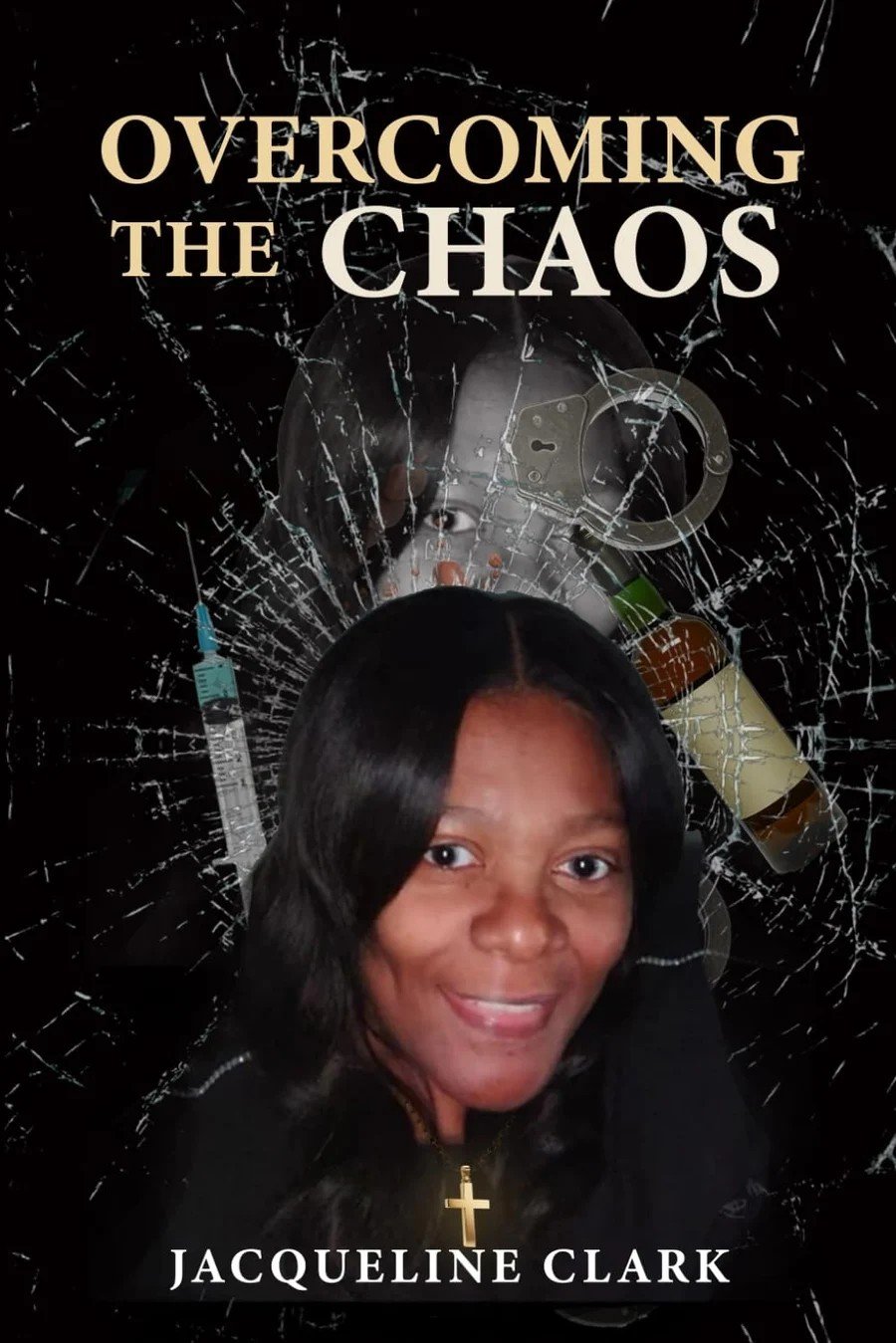
Explore →Selected life-writing titles from the portfolio show how personal material can move from lived experience into a professionally presented book. They are shown as adjacent proof of memoir and life-story production, not as autobiography case studies.
A memoir focused on faith, survival and healing. The title demonstrates the editorial and production standard available when a personal story is prepared for readers.
Explore Published Work →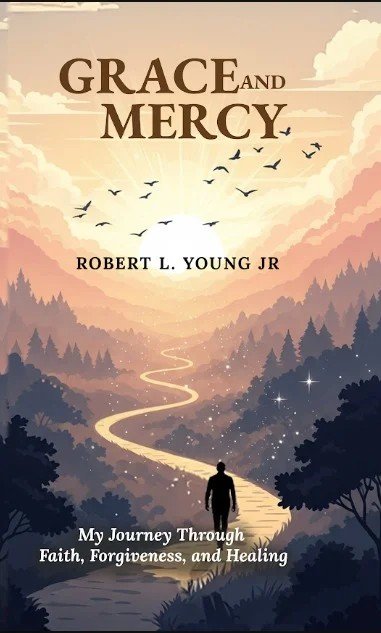
An author project centered on a personal journey of faith, forgiveness and healing. It is another example of personal material developed toward a complete reader-facing publication.
Positioning helps the story move beyond “this happened to me” and toward a book a specific reader can recognize, understand and choose.
Legacy, reinvention, leadership, faith, family, migration, survival or another central idea can give the life story a memorable throughline.
Family readers, professional peers, people facing a similar experience or a broader general audience may each need a different level of context.
Title, subtitle, cover language, categories and metadata should make the book’s subject and reader value clear before the first page.
Life stories often contain private, emotional and complicated material. The collaboration should remain clear, respectful and understandable from first conversation to finished manuscript.
“As a first-time author, having people willing to guide me made a big difference.”
“The team has been very professional throughout the process.”
“They listened patiently and guided me step by step through every stage of publishing my book.”
You can start with memories, notes or simply a clear reason for wanting the story written. A finished outline is not required.
An autobiography often covers a broader span of the author’s life in first person, while memoir is usually more selective and organized around a specific theme, period or experience.
No. You can begin with interviews, notes, journals, recordings or existing material. The writing workflow can be shaped around what you already have.
That is the goal. The manuscript should be professionally structured and polished while preserving your natural voice, perspective and way of telling the story.
Yes. Scope and boundaries are part of the editorial conversation. Not every event or relationship has to appear in the finished book.
Yes. Editing, cover design, publishing, marketing, author website design and audiobook production can be added as separate stages.
Bring the idea, memories, notes, journals, recordings, photographs or draft chapters you already have. Name, Phone Number and Email are the only required fields. Everything else is optional.
Prefer to talk? 332-264-9264Start with a private conversation about the life you want to document, the material you already have and what the finished autobiography should mean to its readers.
Your final live-chat provider will appear here. Until then, this fallback captures a normal website inquiry.