

Finished Manuscript
The text is final or close enough that the narration can follow a stable script.
Turn a finished manuscript into a polished listening experience with narration direction, recording coordination, editing, mastering and release-ready file preparation brought together in one clear workflow.

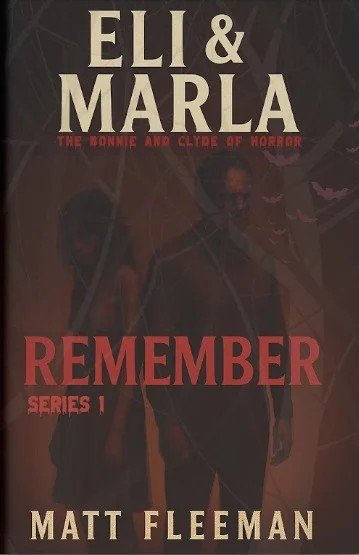
Audiobook production works best when the written edition is stable. From there, the job is to shape how the story sounds, how the listener moves through it and how consistently the finished audio holds together.
The text is final or close enough that the narration can follow a stable script.
A book that is already available can be prepared for an audio edition without rebuilding the written release.
The author may want to explore narrating the work when their voice is part of the value of the book.
The project may need a narration approach selected around genre, audience, tone and performance.
The listening experience is built from performance choices, production discipline and consistent technical finishing. The exact scope can be adjusted around the project and release route.
Confirm the working script, chapter structure, pronunciations, notes and any material that needs special treatment before recording.
Define the voice, pace, emotional range and performance approach that best fits the book and intended listener.
Organize the narration workflow so chapters, pickups and revisions are handled in a controlled sequence.
Remove distractions, tighten consistency and make the narration feel clean from one chapter to the next.
Balance the final audio, check transitions and prepare a cohesive master rather than a folder of raw recordings.
Coordinate audiobook artwork and final delivery files around the requirements of the selected distribution route.

A memoir may need intimacy. A business book may need clarity and authority. Fiction may depend on pace, characterization and emotional range. The objective is not to make every audiobook sound dramatic; it is to make the performance feel appropriate for the writing.
Audio projects become harder to manage when recording, corrections and final delivery happen without a shared workflow. These stages keep the production moving in order.
Confirm the manuscript, chapter structure, names and any special pronunciation notes.
Define narration style, pace and performance expectations before full production.
Capture the narration in an organized chapter-by-chapter workflow.
Clean the recordings, handle pickups and keep the listening experience consistent.
Balance and quality-check the final audio as one complete product.
Organize final files, artwork and release materials for the selected next step.
The listener should not be thinking about inconsistent levels, awkward pauses or production artifacts. They should be following the book. That means the technical finish has to support the narration without becoming noticeable itself.
Chapter-to-chapter sound and delivery should feel like one continuous production.
Narration should remain intelligible and comfortable over long listening sessions.
Pickups, pauses, chapter starts and transitions should not pull the listener out of the book.
The final files should be checked as a complete audiobook, not treated as isolated recordings.
Authors who already have a finished or published title can consider audio as another format in the book’s wider publishing ecosystem. The production route should be planned around rights, the final text, narration choices and the intended release path.
Explore Published Work →
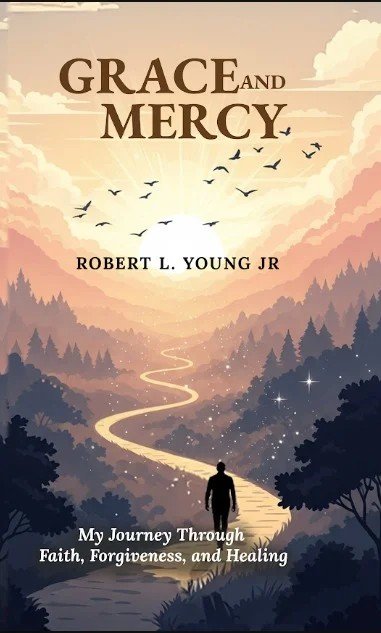
The final handoff can be coordinated around the selected distribution route, including chapter files, naming conventions, artwork adaptation and the supporting information required for release preparation.
Platform requirements can vary. The production workflow should follow the specifications of the retailer or distributor selected for the project rather than assuming one universal format.
Clearly organized final audio files built from the approved narration.
Adapt the book’s visual identity when an audiobook-specific cover asset is needed.
Prepare the project around the requirements of the selected distribution route.
Your name, phone number and email are the only required fields. You can optionally tell us whether the manuscript is final, already published or still moving through production.
Prefer to talk? 332-264-9264A little clarity before production can save a great deal of re-recording later.
A final or near-final manuscript is the best starting point. Major text changes after recording can create unnecessary re-recording and editing work, so the written edition should be stable before production begins.
Yes. Voice, pacing, tone, pronunciation notes and the overall performance direction should be discussed before full production so the narration fits the book and its audience.
That can be an option when the author is a strong fit for the material and recording plan. The right choice depends on the book, the audience, the desired listening experience and the available production setup.
The audio moves through editing, cleanup, consistency checks, chapter organization and mastering so the final files feel cohesive from the first chapter to the last.
Cover adaptation can be coordinated as part of the audiobook workflow when the selected release route needs square-format artwork or other platform-specific creative assets.
Distribution guidance can be included depending on the project scope. Final masters can be prepared around the requirements of the selected retailer or distribution route without implying a direct partnership with those platforms.
Start with the book you already have and build the audio edition around the right production path.
Your final live-chat provider will appear here. Until then, this fallback captures a normal website inquiry.