

Picture Book Creators
Turn a character, lesson, family story or imaginative concept into a concise manuscript with strong page-turn moments.
Children’s books may use fewer words, but every word carries more responsibility. Voice, age level, rhythm, emotional clarity, page turns and illustration space all work together to create a story children can follow and adults enjoy sharing.

A picture book, early reader and middle-grade story do not ask the same things from language, pacing or structure. The age band affects sentence length, concept complexity, page count, visual dependence and how quickly the story needs to move.
We help shape the idea around the intended reader, then build character, conflict, emotional movement and page-by-page momentum so the manuscript feels focused instead of merely short.
Children’s projects often begin as a strong concept rather than a finished manuscript. The development process can meet you at the stage you are already in.
Turn a character, lesson, family story or imaginative concept into a concise manuscript with strong page-turn moments.
Build clear progression, age-appropriate language, recurring characters and enough momentum for independent young readers.
Share a lesson, value or real-world topic through story without making the book feel like a lecture.
Refine word count, pacing, vocabulary, repetition, character motivation and the balance between text and illustration.
The goal is not to flatten the language until the story loses charm. We keep the voice lively while making sure the child can understand what is happening, why it matters and what to feel next.
Match vocabulary, sentence complexity, conflict and emotional stakes to the intended reader instead of using one generic children’s voice.
Rhythm, repetition, sound and breath matter. If a sentence is awkward to say, it often feels awkward to hear.
Illustrations should add information, humor, mood or discovery rather than simply repeat every sentence in visual form.
Even playful stories work better when the child understands what the character wants, what changes and why the ending feels earned.
The process begins by defining who the book is for, then shapes the narrative and page experience before the manuscript moves into editing, design and publication.
Clarify the age range, format, core idea, character, message and the experience the reader should have.
Build a simple but meaningful story arc with a clear want, obstacle, change and satisfying resolution.
Plan scenes, page turns or chapter beats so text and visuals move the story forward together.
Write with age-appropriate language, strong rhythm, active scenes and space for illustration or reader imagination.
Read aloud, tighten repetition, check vocabulary, pacing, emotional logic and unnecessary explanation.
Move the finished manuscript toward editing, illustration direction, cover design, publishing and reader discovery.
Children’s writing is precise work. Word count, rhythm, page turns and emotional clarity have to support one another without making the story feel mechanical.
Align vocabulary, syntax, concept load and emotional complexity with the intended reader and format.
Give the child a character, question, problem or playful pattern worth following from the first pages.
Use sentence length, repetition, sound and pauses intentionally so the text feels natural in the mouth and ear.
Place questions, surprises, movement or visual reveals where the physical page can help create anticipation.
Avoid describing everything the artwork can communicate more efficiently, leaving the illustrator room to add meaning.
Remember that parents, teachers and gift-buyers often choose the book while the child decides whether it becomes a favorite.
Editing, cover and illustration direction, publishing, marketing, author presence and audio can be coordinated around the same age range, tone and reader promise instead of handled as disconnected tasks.
Refine age-level clarity, rhythm, repetition, continuity and line-level polish before production.
Explore → 02Create a visual direction that communicates age range, tone, character and shelf appeal before the book is opened.
Explore → 03Plan formats, ISBN guidance, production and distribution around the selected children’s publishing route.
Explore → 04Position the book around parents, educators, gift-buyers and young readers with a clear concept and audience promise.
Explore → 05Create an online home for the book, author story, school visits, events, resources and future titles.
Explore → 06Extend suitable stories into audio with narration, pacing and production choices designed for listening.
Explore →The titles below are part of Uptown’s published-work collection and give this page direct children’s-book proof rather than a generic portfolio example.
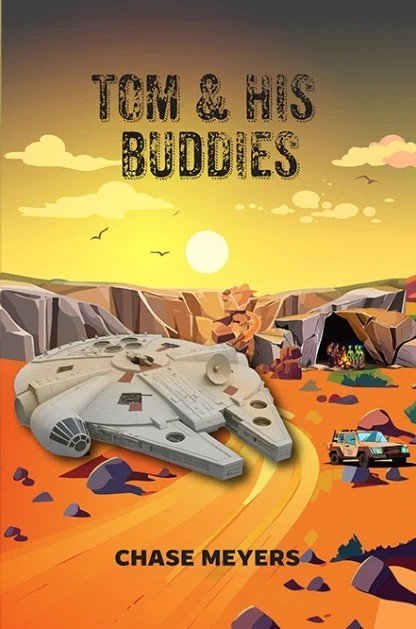
A colorful children’s adventure title from the Uptown published-work collection. It demonstrates the importance of clear presentation, age-aware storytelling and a finished book experience designed for younger readers.
Explore Published Work →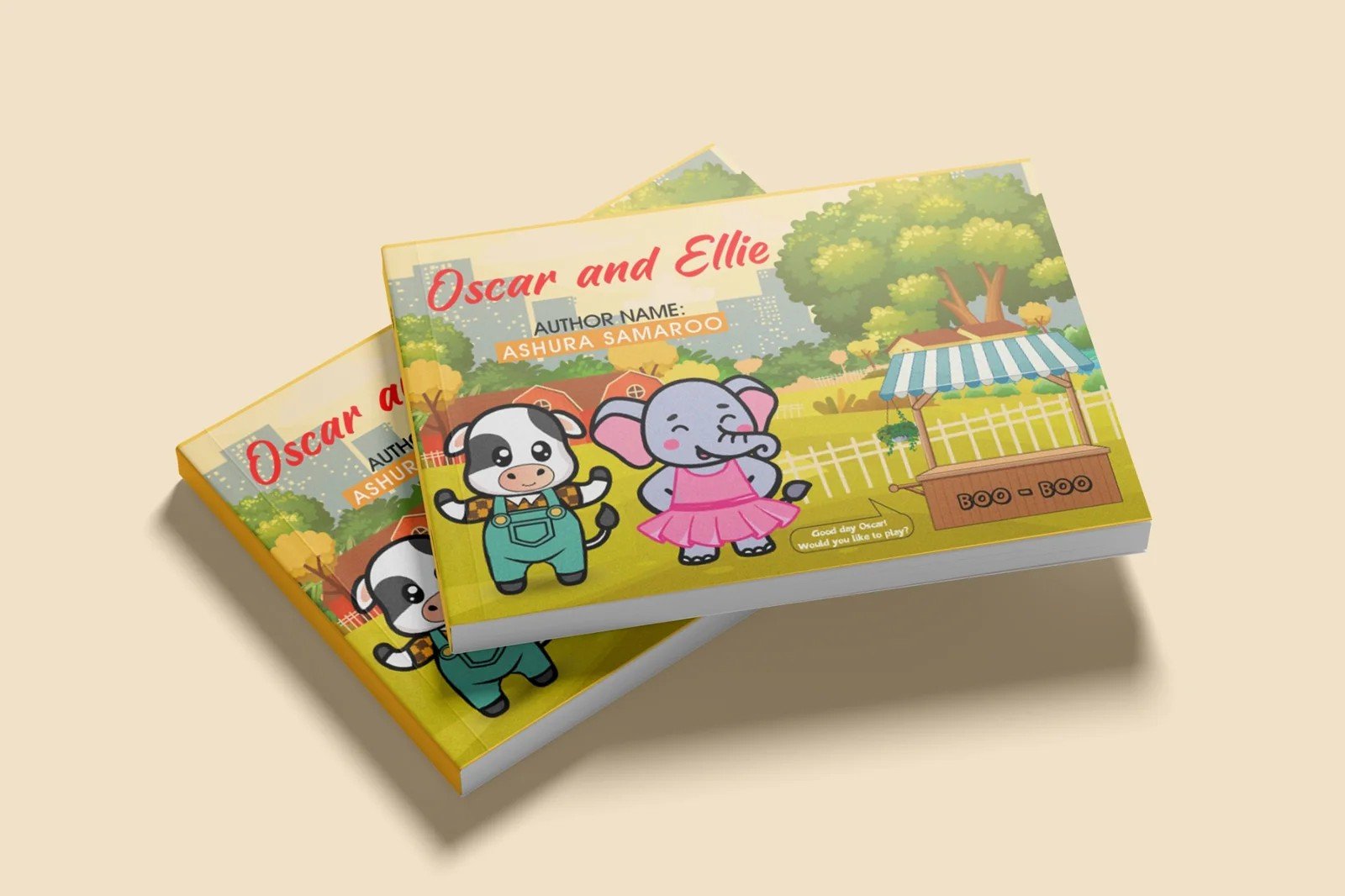
A bright illustrated children’s title presented in a landscape book format. Its illustrated format reinforces how layout, visual pacing and reader age are part of the publishing decision from the beginning.
A picture book for preschool families, an early reader for independent practice and a chapter book for older children should not be packaged or marketed the same way. Positioning helps the manuscript, design and launch speak to one clear reader first.
Age, reading level, attention span and emotional maturity shape language, length, structure and visual dependence.
Read-aloud, classroom, bedtime, independent reading or gift use changes what rhythm, format and supporting material matter most.
A distinctive character, emotional promise, humorous pattern, learning angle or visual idea gives the book a clearer identity in a crowded category.
When age level, message, structure and visual pacing are defined early, authors can make better creative decisions and move into production with confidence.
“As a first-time author, having people willing to guide me made a big difference.”
“The team has been very professional throughout the process.”
“They listened patiently and guided me step by step through every stage of publishing my book.”
You can begin with a sentence, lesson, character, family story, rough pages or a complete manuscript. The development process can start with the material you already have.
We look at vocabulary, concept complexity, word count, reading independence, emotional stakes and intended format to help define the most natural age range.
Yes. Picture books often improve when text is tightened and illustrations are allowed to carry more of the action, setting and humor.
Usually no. The manuscript should first make clear what happens and where visual opportunities exist. Illustration direction can then develop around the finished story.
Yes. We look for ways to let character choice, consequence and story movement carry the message instead of explaining the lesson directly on every page.
Yes. Editing, cover design, publishing, author website design, marketing and suitable audiobook production can be coordinated once the manuscript is ready.
Share your idea, notes, sample pages or complete manuscript. Name, Phone Number and Email are the only required fields. Everything else is optional.
Prefer to talk? 332-264-9264Start with a private conversation about the age group, idea, character and material you already have. We’ll help define the next practical step.
Your final live-chat provider will appear here. Until then, this fallback captures a normal website inquiry.