

Premise-First Horror Writers
Turn a frightening idea, image or situation into a story with clear escalation, character stakes and a satisfying payoff.
Effective horror is not only about shock. Atmosphere, anticipation, vulnerability, escalation and consequence work together so fear grows from the story and follows the reader beyond the scene.

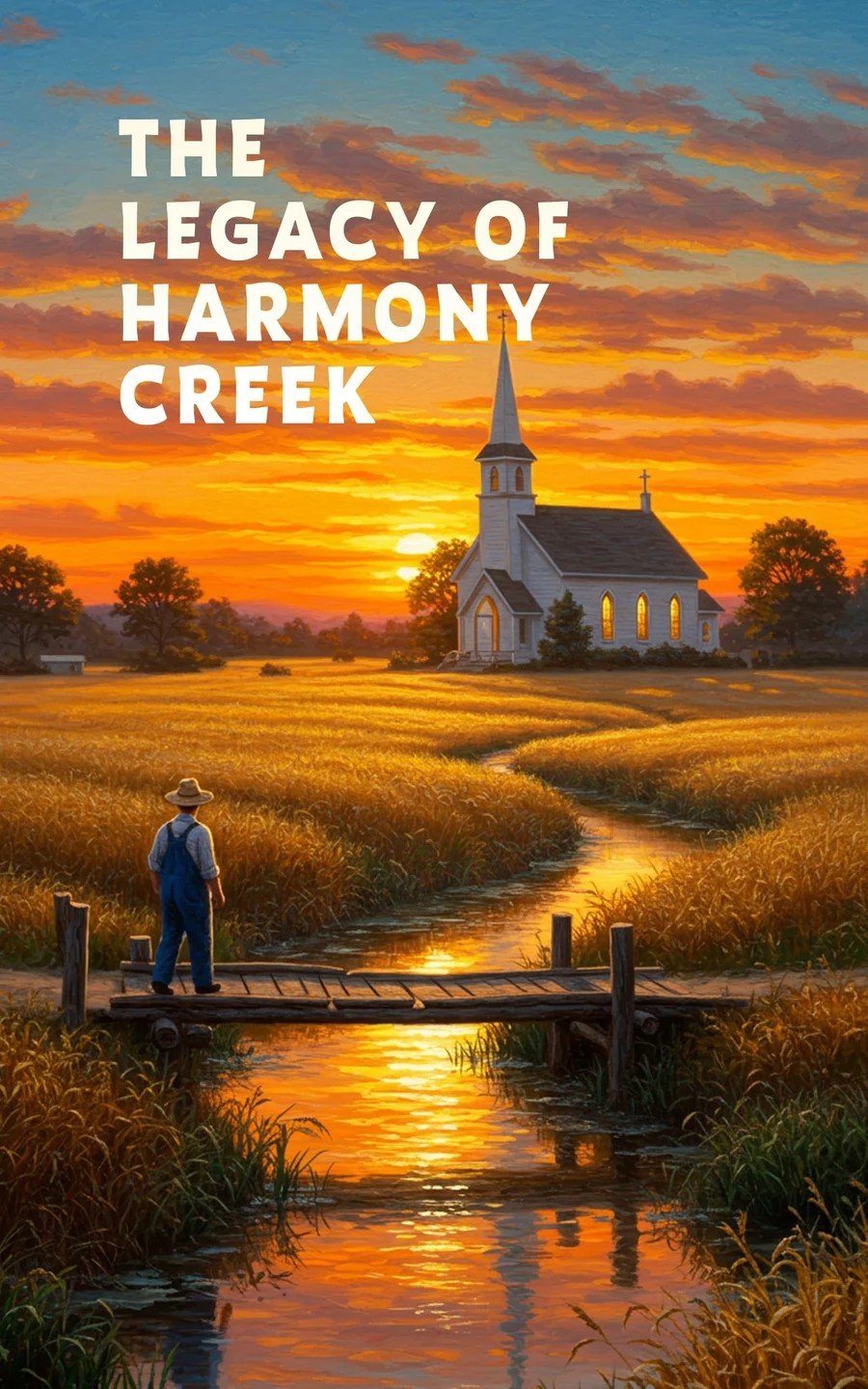
Horror can be supernatural, psychological, gothic, folk, cosmic, body-focused or grounded in ordinary life. What connects the best work is controlled expectation: the reader senses danger before they fully understand it.
We help shape pacing, point of view, reveal timing, atmosphere and character vulnerability so frightening moments grow from the logic of the story rather than feeling added only for impact.
Some horror begins with an image. Some begins with a character, place or threat. The workflow can start at any of those points and build toward a complete reading experience.
Turn a frightening idea, image or situation into a story with clear escalation, character stakes and a satisfying payoff.
Strengthen setting, mood, symbolic detail and slow-building tension without letting description stall the plot.
Identify where dread drops, reveals arrive too early, character decisions weaken tension or the threat loses consistency.
Track mythology, rules, recurring threats and character consequences while keeping each book capable of delivering its own arc.
A monster, haunting or disturbing event becomes more effective when it threatens something personal: identity, family, safety, sanity, trust or belonging. We keep emotional stakes connected to the fear mechanics.
Give the reader a clear sense of what the character values, needs or cannot afford to lose before pressure intensifies.
Reveal enough to create expectation while preserving uncertainty about the threat, motive, rules or outcome.
Each encounter should change the situation, narrow options or increase the cost of delay instead of simply repeating the same scare.
Fear feels more real when characters carry physical, emotional or relational consequences from what has happened.
The workflow moves from the central fear and reader promise into rules, scene architecture, drafting, revision and production while controlling how tension rises and releases.
Clarify the horror lane, central character, core fear, threat, setting and the experience the reader should have.
Establish what the threat can do, what characters believe, what is unknown and which boundaries should remain consistent.
Map warning signs, encounters, reversals, reveals and consequences so tension grows instead of cycling at one intensity.
Build scenes around sensory detail, uncertainty, character decisions and the changing balance between safety and danger.
Refine pacing, reveal timing, repetition, logic, atmosphere and any moments where tension is released too early or without purpose.
Move the refined manuscript into editing, cover design, publishing, marketing and reader discovery.
Horror depends on timing. The reader needs periods of uncertainty, recognition, escalation and consequence, not a constant volume of shock.
Use setting, sensory detail and recurring motifs to create unease without overloading every paragraph with ominous description.
Keep the danger consistent enough to feel real while preserving enough uncertainty to maintain fear and surprise.
Control when the reader understands the source, scale or nature of the threat so curiosity and dread reinforce each other.
Balance quiet pressure, discovery, confrontation and recovery so tension has room to rise instead of becoming flat.
Make frightening situations force decisions that expose values, fear, denial, courage or conflict between characters.
Let consequences accumulate. Injuries, mistrust, grief, obsession or changed relationships make earlier horror continue to matter.
Editing, cover design, publishing, marketing, author presence and audio should all reinforce the same tone, intensity and reader expectation instead of feeling like separate tasks.
Refine structure, continuity, clarity, consistency and line-level prose before production.
Explore → 02Develop a visual direction that signals genre, tone and reader expectation before the first page is opened.
Explore → 03Plan formats, ISBN guidance, production and distribution around the selected publishing route.
Explore → 04Position the story around its audience, emotional promise, themes and strongest reasons to discover it.
Explore → 05Create an online home for the book, author story, media, events and future reader connection.
Explore → 06Extend the finished story into audio with narration and production choices suited to the reading experience.
Explore →Our current portfolio proof below comes from published fiction rather than a dedicated horror case study. It demonstrates long-form development and production quality without misrepresenting those titles.
A published story brought to market as part of an ongoing author relationship. It is shown here as broader proof of fiction development and professional book presentation, not as a horror-specific case study.
Explore Published Work →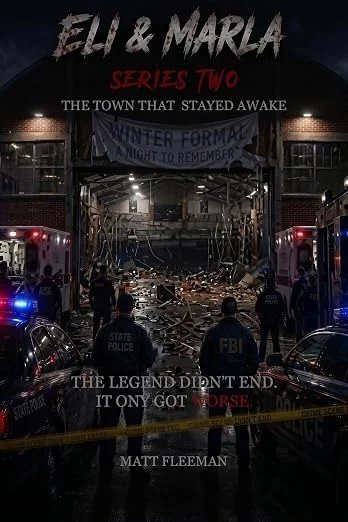
Another title in the Eli & Marla series, showing continuity across an author’s publishing journey. This second fiction title demonstrates the same editorial continuity and production discipline that a polished horror manuscript also requires.
Psychological horror, gothic horror, supernatural horror, cosmic horror, folk horror, body horror and other lanes carry different expectations. Positioning should guide cover, categories and marketing without reducing the manuscript to a generic dark aesthetic.
Dread, psychological instability, supernatural threat, body horror, isolation or another dominant experience should shape presentation.
Intensity, age range, graphic content, pacing and comparable authors help define the audience most likely to connect first.
A specific setting, mythology, emotional theme or rule system gives the book a stronger identity than familiar horror imagery alone.
A clear workflow makes it easier to track what the reader knows, how the threat evolves and where tension should rise, break or transform.
“As a first-time author, having people willing to guide me made a big difference.”
“The team has been very professional throughout the process.”
“They listened patiently and guided me step by step through every stage of publishing my book.”
You can begin with a premise, disturbing image, setting, character, mythology, scenes or a draft. The full horror architecture can be developed from the material you already have.
No. Horror can be quiet, psychological, atmospheric, supernatural, violent or restrained. The level of graphic detail should fit the story and intended audience rather than being added automatically.
Yes. We look at character vulnerability, threat logic, reveal timing, sensory detail, uncertainty and consequence so tension grows from the narrative itself.
We define the rules, limits, patterns and exceptions that the story needs, then track what the reader and characters know at each stage.
Yes. Slow-burn work depends heavily on atmosphere, subtext, setting, recurring details and controlled escalation, all of which can be developed structurally.
Yes. Editing, cover design, publishing, author website design, marketing and audiobook production can be coordinated once the manuscript is ready.
Share the idea, notes, sample chapters, mythology or manuscript you already have. Name, Phone Number and Email are the only required fields. Everything else is optional.
Prefer to talk? 332-264-9264Start with a private conversation about the central fear, characters and material you already have. We’ll help define the next practical step.
Your final live-chat provider will appear here. Until then, this fallback captures a normal website inquiry.