

Chefs & Culinary Professionals
Organize signature recipes, technique, professional perspective and kitchen stories into a reader-ready collection.
A memorable cookbook is more than a recipe collection. It needs dependable organization, a consistent recipe system, a recognizable author voice and enough context to make the food feel connected to a place, purpose, tradition or way of living.
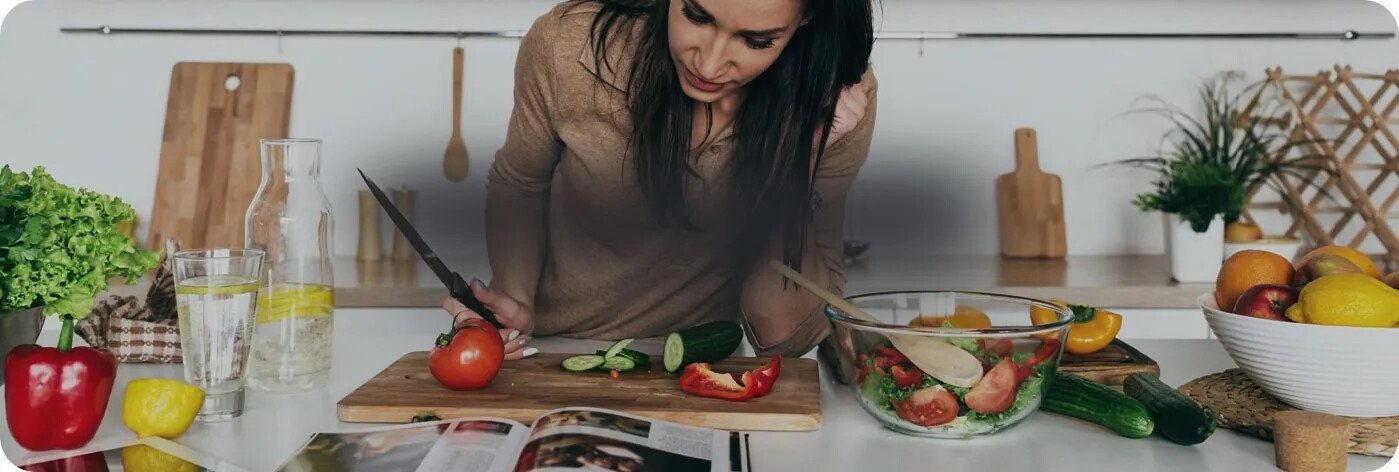
The reader needs more than ingredients and instructions. They need consistent measurements, clear steps, sensible sequencing, useful headnotes and enough visual or narrative context to understand what makes the collection distinctive.
We help shape the concept, organize recipes into a coherent structure and develop the surrounding copy so the finished manuscript feels authored rather than assembled.
Cookbook projects can begin from handwritten recipes, digital notes, restaurant menus, family traditions, social content, classes or a defined culinary concept.
Organize signature recipes, technique, professional perspective and kitchen stories into a reader-ready collection.
Turn online recipes, videos, posts and audience favorites into a cohesive book with stronger structure and author identity.
Preserve recipes, traditions, memories and food history in a form that can be shared across generations or with a wider readership.
Build a cookbook around a cuisine, ingredient, lifestyle, method or practical theme with consistent editorial organization.
Headnotes, introductions, technique guidance and small stories help the collection feel personal. The goal is not to overwrite the recipes, but to give readers a reason to understand why these dishes belong together and why this author is sharing them.
Clarify the cuisine, audience, organizing idea and what makes this collection different from a general recipe archive.
Use consistent ingredient order, units, yields, temperatures, timing, instructions and optional notes throughout the manuscript.
Add headnotes, substitutions, technique explanations or cultural context where they genuinely help the reader.
Consider photography, styling, section openers, recipe hierarchy and interior design needs early enough that the manuscript supports production.
Cookbooks are editorial and visual products at the same time. The workflow should organize the concept, recipes, testing notes, voice and production requirements before design begins.
Define the reader, cuisine, theme, recipe count, format and overall promise of the cookbook.
Sort recipes into sections and create a consistent template for ingredients, yields, timing and method.
Write or refine introductions, headnotes, technique explanations, substitutions and supporting story.
Review recipe consistency, missing information, terminology and testing notes before the manuscript moves forward.
Coordinate photography needs, visual hierarchy, interior structure, cover direction and production specifications.
Move the completed content into editing, design, publishing, marketing and reader discovery.
Cookbook quality often lives in consistency: the same terms, units, assumptions and level of detail should work across every recipe so the reader does not have to relearn the book page by page.
Standardize ingredient order, measurements, timing, yields, oven temperatures and instruction style across the collection.
Make each step specific enough for the intended reader without turning straightforward recipes into unnecessary complexity.
Track recipe testing status, corrections and any details that still need confirmation before publication.
Use introductions and personal context to add character without burying the practical information readers need.
Group recipes in a way that feels intuitive by meal, ingredient, season, technique, culture or another clear concept.
Keep photography, captions, callouts and interior layout needs in mind while the manuscript is still flexible.
Editing, cover design, interior production, publishing, marketing and author presence should be coordinated around the same concept and visual promise instead of handled as disconnected tasks.
Refine recipe consistency, instructions, headnotes, organization, terminology and line-level readability.
Explore → 02Create a visual direction that communicates cuisine, personality, audience and quality before the book is opened.
Explore → 03Plan format, trim, production, ISBN guidance and distribution around the selected cookbook route.
Explore → 04Position the cookbook around its concept, author platform, audience, launch story and visual content.
Explore → 05Create an online home for the cookbook, recipes, media, events, classes and future reader connection.
Explore → 06For cookbook projects with substantial narrative or instructional content, explore whether selected audio material makes sense as a companion format.
Explore →Our current portfolio proof below comes from other published categories. It demonstrates the broader editorial and production standard available to a cookbook project, not a claim that these titles are cookbook case studies.
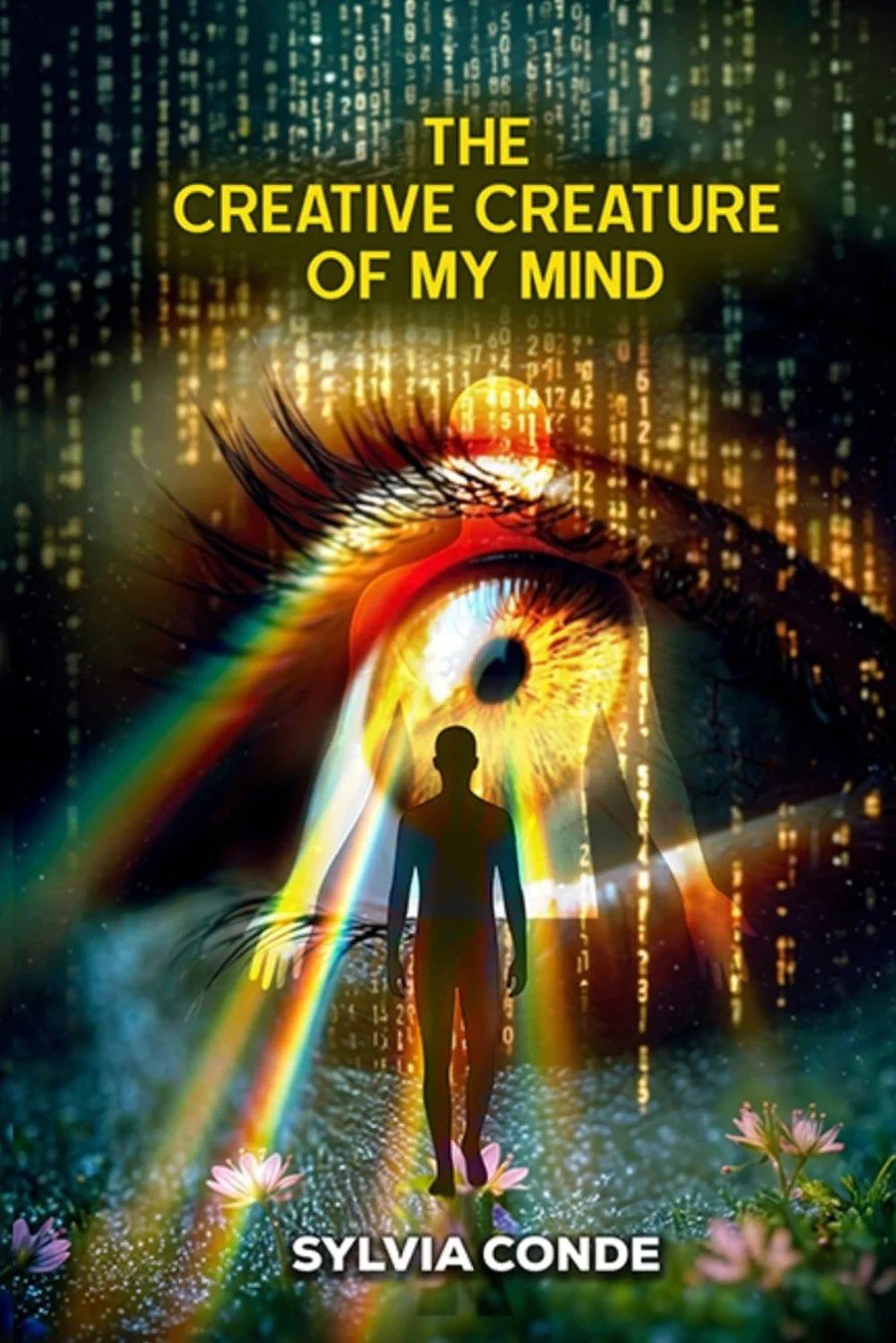
A published work exploring creativity and expanding consciousness. It is shown here as broader proof of manuscript development and professional book presentation across the Uptown portfolio.
Explore Published Work →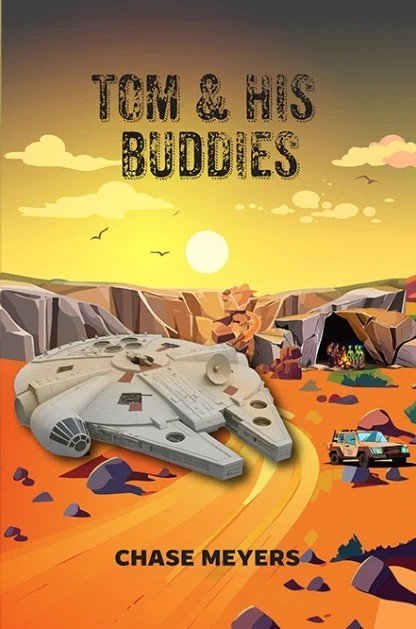
A colorful children’s adventure title from the Uptown published-work collection. It is additional evidence of the same end-to-end editorial and publishing standard across very different book formats.
Positioning influences title, subtitle, cover, interior style, photography, categories, metadata and marketing. The strongest concept is specific enough to be memorable and broad enough to sustain a full book.
Cuisine, family tradition, technique, ingredient, lifestyle, season, difficulty level or a strong author story can become the organizing promise.
Beginners, busy families, experienced home cooks, specialty audiences or professional readers need different levels of explanation and complexity.
Photography, color, typography, trim size and cover language should reinforce the same culinary identity as the recipes and author voice.
Authors should know what happens next while recipes, story, revisions and production details move through one coordinated workflow.
“As a first-time author, having people willing to guide me made a big difference.”
“The team has been very professional throughout the process.”
“They listened patiently and guided me step by step through every stage of publishing my book.”
You can begin with a concept, recipe collection or scattered material. The structure can be developed from there.
No. The project can begin with the concept and current recipe collection. A recipe inventory helps identify gaps, duplicates, testing needs and the strongest section structure.
Yes. Existing notes, documents, menus, recordings, videos and online content can be organized into a consistent manuscript system.
Recipes should be reviewed and tested appropriately before publication. The exact testing process depends on the project, and unresolved recipe details should be tracked before final production.
Yes. Introductions, headnotes, cultural context and personal stories can give the collection identity as long as the practical recipe information remains easy to use.
Yes. Editing, cover design, publishing, author website design and marketing can be coordinated once the manuscript and production requirements are clear.
Share the concept, audience, recipe list, notes, photos, menus, family material or draft you already have. Name, Phone Number and Email are the only required fields. Everything else is optional.
Prefer to talk? 332-264-9264Start with a private conversation about the concept, audience and material you already have. We’ll help define the next practical step.
Your final live-chat provider will appear here. Until then, this fallback captures a normal website inquiry.