
Coaches & Trainers
Turn training principles, routines, habit systems and recurring client questions into a structured guide readers can follow.
Health and fitness books need more than useful information. They need a clear reader journey, responsible language, practical structure and an author voice that makes complex ideas easier to follow without overstating what the book can promise.

A strong manuscript does not simply collect tips. It helps readers understand the context, the reasoning behind the guidance and the sequence in which ideas should be introduced.
We help organize expert knowledge into chapters, examples, routines, frameworks and reader-friendly explanations while keeping the author’s voice present and distinguishing educational content from individualized professional advice.
The strongest projects begin with a clear area of expertise and a realistic reader outcome, then build the manuscript around what the audience needs to understand first.
Turn training principles, routines, habit systems and recurring client questions into a structured guide readers can follow.
Develop educational material around a professional specialty while keeping terminology, source use and reader expectations clear.
Translate a repeatable method, course, framework or wellness philosophy into a book that explains both the thinking and the process.
Organize source material, lived experience and practical lessons into a manuscript with a responsible distinction between story, education and advice.
Readers want confidence, but they also need context. The manuscript should explain ideas in accessible language, show where evidence or professional review matters and avoid turning broad education into promises that cannot responsibly be made for every reader.
Clarify who the book is for, what it teaches and what falls outside the project before drafting begins.
Write broadly useful content without presenting a general book as a substitute for personalized medical, nutrition or training guidance.
Identify claims, studies, statistics and expert-dependent material that should be sourced, checked or reviewed before publication.
Use examples, frameworks, routines, checklists or reflection prompts where they genuinely help the reader understand and apply the material.
The workflow keeps the subject, audience, evidence, examples and practical application connected from first outline through publication-ready manuscript.
Clarify the reader, goal, scope, professional perspective and realistic outcome of the book.
Build a chapter sequence that introduces concepts in the order readers need to understand and use them.
Organize studies, references, examples, interviews and professional material that support the manuscript.
Draft chapters with explanation, practical application, author voice and reader-friendly transitions.
Check clarity, repetition, source-dependent claims, consistency and areas that may benefit from qualified subject review.
Move the refined manuscript into editing, cover design, publishing, marketing and reader discovery.
Credibility is shaped by more than credentials. It also depends on structure, source discipline, careful wording and a reader experience that makes useful information easier to understand.
Keep every chapter connected to what the reader is meant to understand, practice or consider.
Explain technical language at the depth the intended audience actually needs.
Track claims, data and source-dependent statements so they can be reviewed and cited appropriately.
Flag content that may require disclaimers, professional review or more careful distinction between education and individualized advice.
Use realistic scenarios, routines, questions and frameworks to make abstract ideas easier to use.
Encourage readers without shame, fear-based language or promises of guaranteed outcomes.
Editing, cover design, publishing, marketing, author presence and audio work best when the same reader promise and responsible positioning carry across every stage.
Refine structure, terminology, clarity, source-dependent material, consistency and line-level readability.
Explore → 02Create a professional visual direction that signals the subject, audience and tone without resorting to exaggerated promises.
Explore → 03Plan formats, ISBN guidance, production and distribution around the selected publishing route.
Explore → 04Position the book around the audience, expertise, educational promise and themes readers are actively looking for.
Explore → 05Build an online home for the book, author credentials, resources, media, programs and future reader connection.
Explore → 06Extend the finished book into audio with narration and production suited to educational and practical content.
Explore →Our current portfolio proof below comes from adjacent non-fiction and personal-story categories. It demonstrates the editorial and production standard available to a health or fitness project, not a claim that these titles are health-and-fitness case studies.
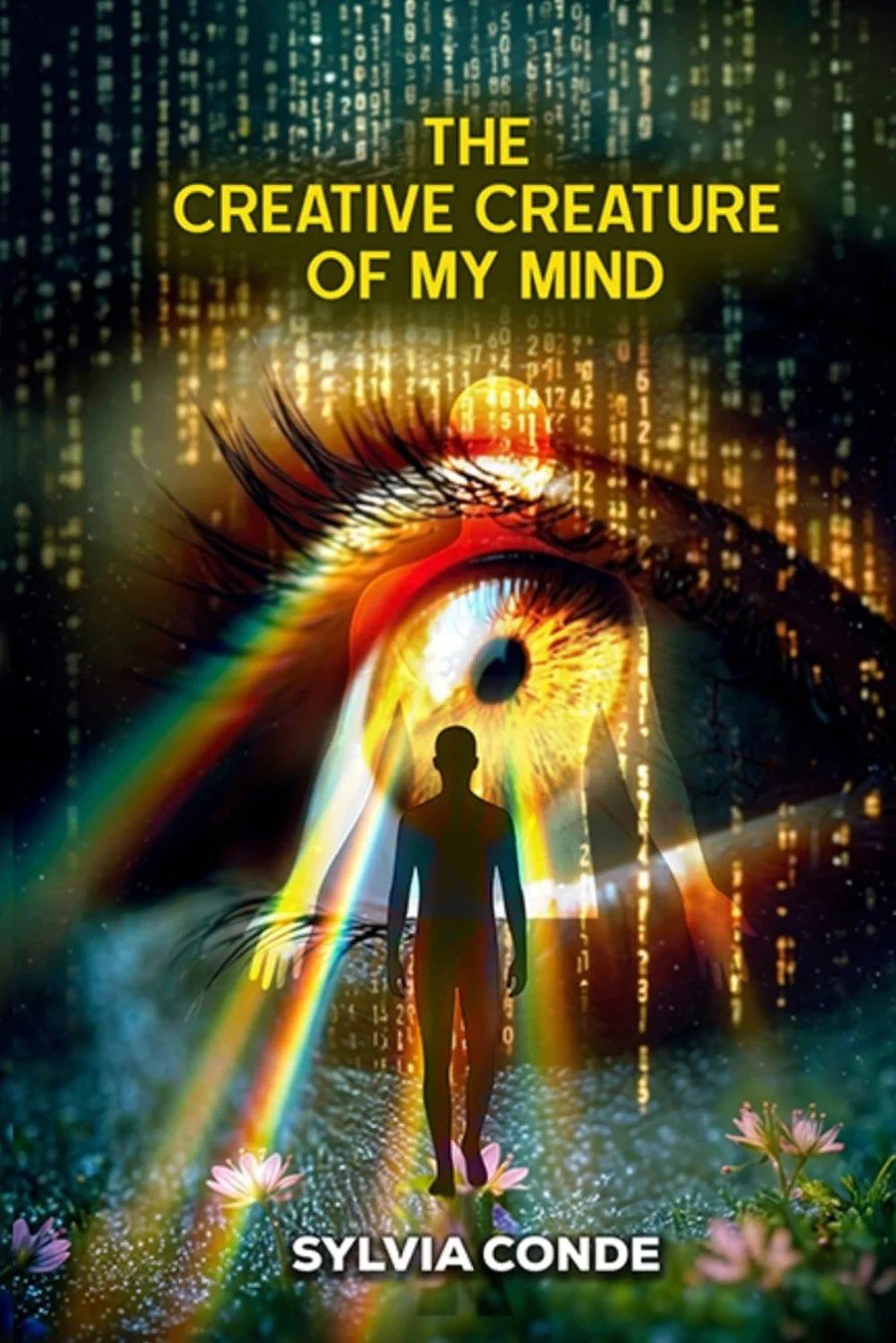
A published work exploring creativity and expanding consciousness. It is shown here as broader proof of non-fiction development and professional book presentation.
Explore Published Work →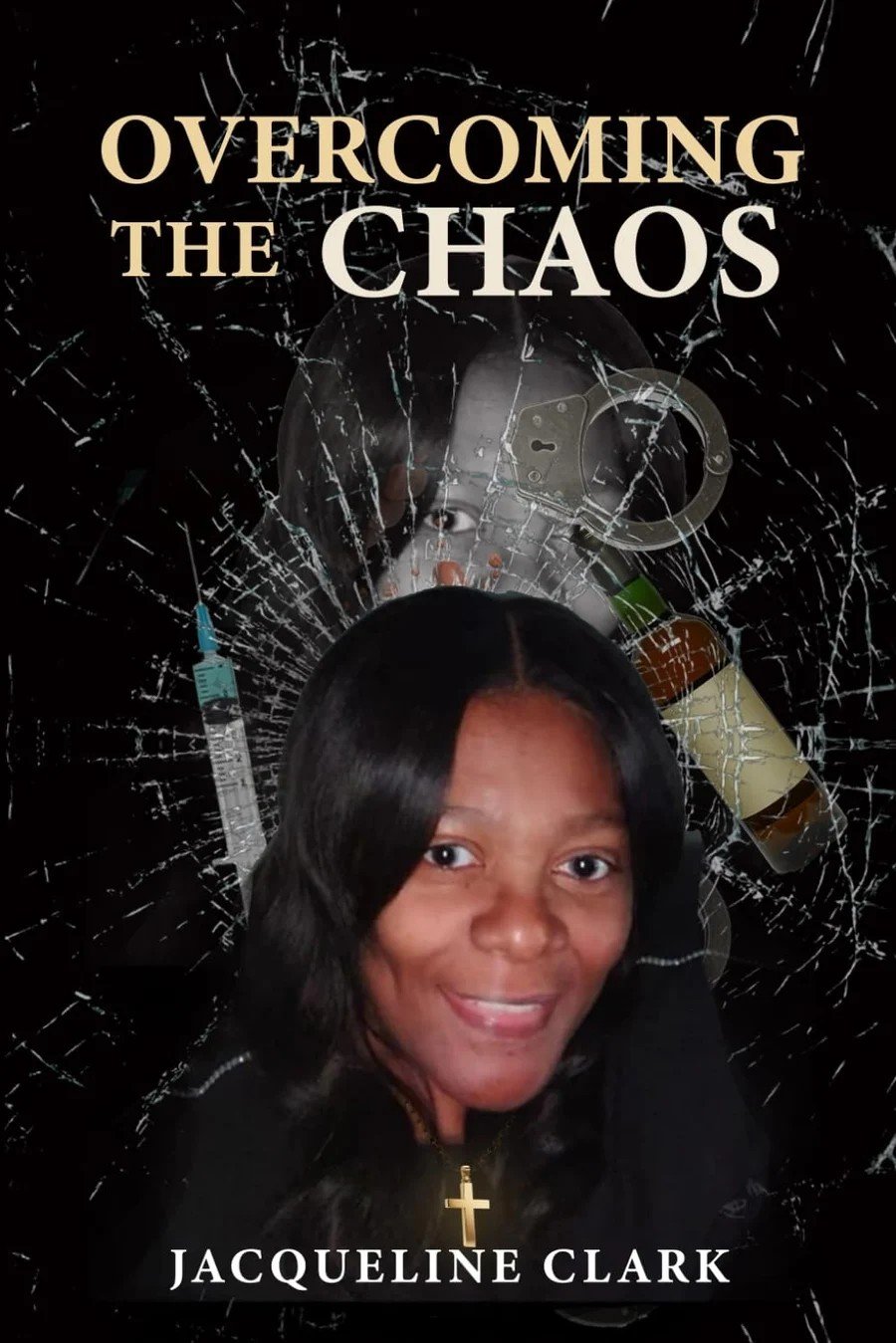
A memoir focused on faith, survival and healing. This title is additional proof of the same long-form editorial and publishing discipline across adjacent categories.
Positioning affects title direction, subtitle, cover, categories, metadata and marketing. For health and fitness books, responsible language matters as much as clarity and authority.
Beginners, athletes, professionals, parents, older adults or a specialized audience may need very different depth, terminology and examples.
Define the educational promise precisely enough that the title and marketing can be compelling without becoming misleading.
Relevant experience, credentials, methodology, research and perspective should be presented accurately and in proportion to the claims made.
Authors should be able to focus on their knowledge while the editorial workflow keeps structure, revisions and production moving in a professional sequence.
“As a first-time author, having people willing to guide me made a big difference.”
“The team has been very professional throughout the process.”
“They listened patiently and guided me step by step through every stage of publishing my book.”
You can begin with expertise, notes, research, a program or a partial draft. The manuscript structure can be developed from there.
No. A project can begin with the core topic, audience, source material, program or desired reader outcome. The outline can be developed around those inputs.
Yes. Existing presentations, lessons, articles, recordings, worksheets and notes can all become useful source material for the manuscript.
Source-dependent claims should be identified and reviewed carefully. Depending on the subject, qualified professional or subject-matter review may also be appropriate before publication.
Yes, where they fit the project. The content should be clearly scoped and presented responsibly for the intended audience rather than as individualized professional advice.
Yes. Editing, cover design, publishing, author website design, marketing and audiobook production can be coordinated after the manuscript is ready.
Share the idea, intended audience, research, notes, course material, recordings or draft you already have. Name, Phone Number and Email are the only required fields. Everything else is optional.
Prefer to talk? 332-264-9264Start with a private conversation about the subject, audience and material you already have. We’ll help define the next practical step.
Your final live-chat provider will appear here. Until then, this fallback captures a normal website inquiry.