
Experts & Professionals
Turn years of experience, specialized knowledge or a proven method into a clear book for clients, peers or a wider audience.
Strong non-fiction takes knowledge, experience or a meaningful idea and gives it structure. We help organize the material, sharpen the argument and build a reader-focused manuscript without flattening the author’s expertise or voice.

You may already know the subject deeply. The challenge is deciding what the reader needs first, what needs evidence, which examples make an idea concrete and how every chapter earns its place in the book.
We help define the reader promise, organize the material into a logical progression and develop a voice that feels authoritative without becoming stiff, repetitive or overloaded with information.
Non-fiction can turn professional knowledge, personal insight, research or a practical framework into a book that builds authority and gives readers a useful outcome.
Turn years of experience, specialized knowledge or a proven method into a clear book for clients, peers or a wider audience.
Develop a point of view around leadership, business, culture, innovation or an industry problem you understand firsthand.
Transform frameworks, lessons, exercises and recurring client questions into a reader-friendly learning journey.
Bring research, notes, presentations, articles, recordings or scattered concepts that need one central argument and chapter plan.
The manuscript should sound informed and confident while still feeling human. Readers need examples, transitions, context and breathing room—not a transcript of everything the author knows.
Clarify what the reader should know, believe, do or understand differently after finishing the book.
Sequence ideas so each chapter prepares the reader for the next instead of repeating the same point in new language.
Bring in research, examples, stories and data where they strengthen the idea rather than overwhelm it.
Preserve perspective, experience and voice so the book has a recognizable point of view instead of reading like a generic manual.
The subject may be complex, but the workflow should remain clear: define the promise, organize the thinking, develop the chapters and refine the manuscript before production.
Clarify the reader, outcome, central idea, scope and the authority the author brings to the subject.
Turn notes and expertise into a clear argument, chapter sequence and learning progression.
Identify examples, evidence, references, interviews or source material needed to support the manuscript.
Draft chapters with explanation, story, examples and transitions working together.
Strengthen logic, pacing, repetition control, clarity, consistency and line-level readability.
Move the completed manuscript into editing, design, publishing, marketing and reader discovery.
Non-fiction quality often lives in the invisible decisions: what to define, what to cut, when to give an example and how to keep the argument moving without sacrificing accuracy.
Make every section serve the result the reader came to the book to achieve.
Ensure the central thesis is clear and the chapter sequence builds rather than circles.
Track claims, examples and source-dependent material so support can be reviewed and verified where needed.
Use concrete situations, cases and lived experience to make abstract ideas easier to understand.
Keep necessary technical language while removing avoidable complexity that creates distance from the reader.
Where appropriate, turn ideas into frameworks, questions, steps or takeaways the reader can actually use.
Editorial development, design, publishing and visibility work better when the same reader promise carries through the manuscript, cover, metadata and launch.
Refine structure, argument, consistency, citations, clarity and line-level readability before production.
Explore → 02Translate the subject and reader promise into a professional cover that signals the right category and authority.
Explore → 03Plan paperback, eBook, ISBN guidance, production and distribution around the selected publishing route.
Explore → 04Build visibility around the author’s expertise, book promise, audience and launch objectives.
Explore → 05Create a platform for the book, author authority, media, resources, speaking and future content.
Explore → 06Extend the book into audio with narration and production appropriate for educational or idea-led content.
Explore →Selected published work demonstrates how author-led ideas and personal expertise can move from manuscript development into a professionally presented book.
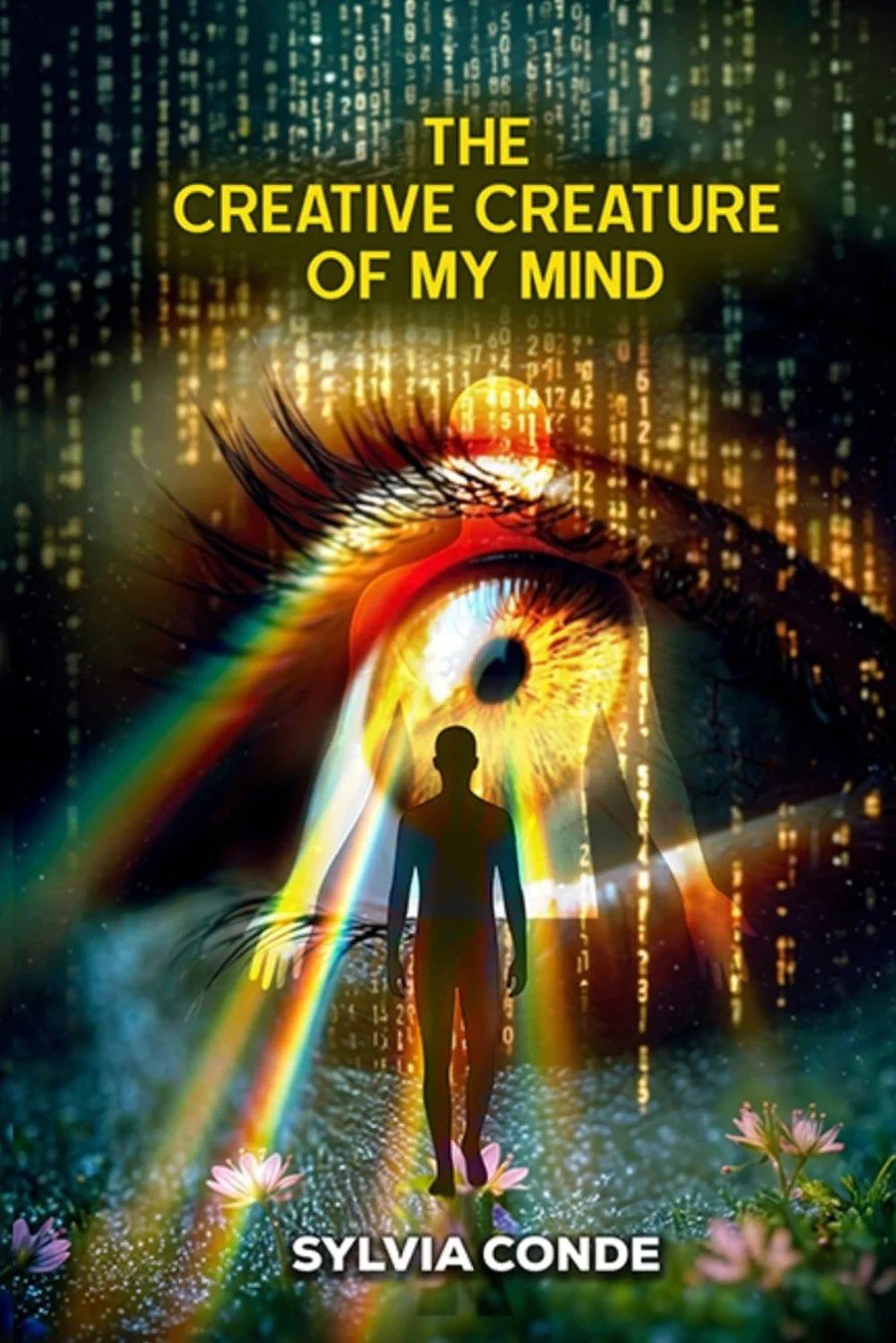
A published work exploring creativity and expanding consciousness. It is presented here as a direct example of non-fiction material carried through to a finished reader-facing publication.
View Published Work →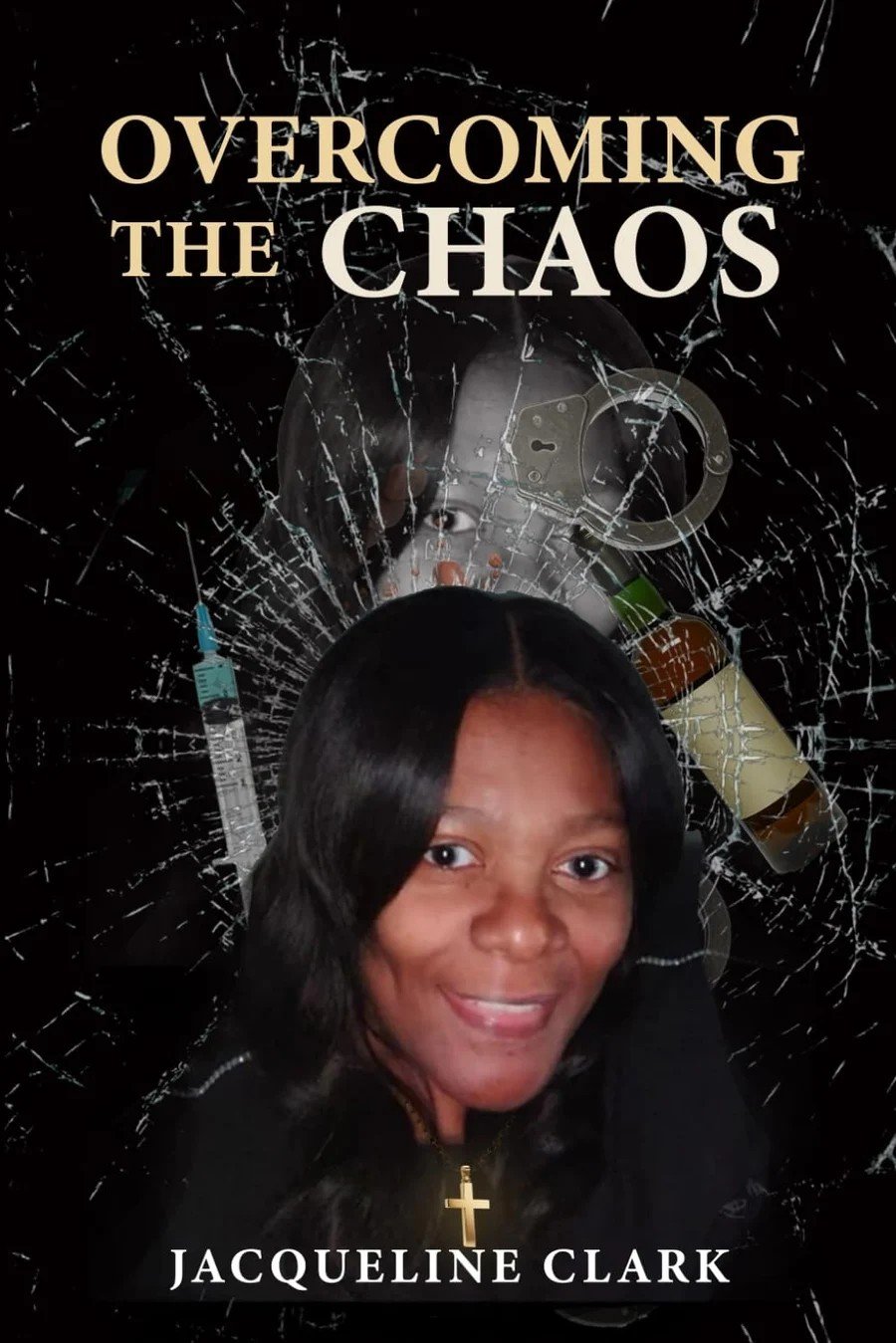
A memoir focused on faith, survival and healing. The broader portfolio shows the same editorial discipline across adjacent true-story and expertise-led categories.
Good positioning connects the manuscript to a specific reader need. It affects title direction, subtitle, category, cover language, metadata and the way the author’s authority is presented.
The clearest non-fiction books solve, explain, reframe or illuminate something the reader already cares about.
Executives, parents, professionals, entrepreneurs, practitioners, students or general readers may need very different language and depth.
Experience, research, results, access, perspective or a distinctive framework should be visible in both the manuscript and its packaging.
Authors should be able to focus on the thinking while the editorial workflow keeps structure, revisions and production moving in a clear sequence.
“As a first-time author, having people willing to guide me made a big difference.”
“The team has been very professional throughout the process.”
“They listened patiently and guided me step by step through every stage of publishing my book.”
You can begin with expertise, notes and a target reader. The structure can be developed from there.
No. A project can begin with the core idea, audience, existing material and desired reader outcome. The outline is then developed around those inputs.
Yes. Existing talks, courses, interviews, newsletters, articles, notes and recordings can all become useful source material for the manuscript.
Yes. The research approach depends on the subject and scope. Source-dependent claims can be organized and reviewed as part of the editorial process.
It should not. The goal is to keep the author’s perspective and authority while improving clarity, progression and readability for the intended audience.
Yes. Editing, cover design, publishing, author website design, marketing and audiobook production can be coordinated after the manuscript is ready.
Share the idea, target reader, notes, research, articles, recordings or draft material you already have. Name, Phone Number and Email are the only required fields. Everything else is optional.
Prefer to talk? 332-264-9264Start with a private conversation about the idea, the audience and the material you already have. We’ll help define the next practical step.
Your final live-chat provider will appear here. Until then, this fallback captures a normal website inquiry.