
A Life-Changing Journey
Survival, recovery, reinvention, loss, faith, identity or a turning point that reshaped the way you see your life.
A memoir is more than a timeline of what happened. It is a carefully shaped story about what those moments meant, how they changed you and why a reader should walk through them with you.

A life can hold decades of people, places, losses, turning points and small details. A book cannot carry all of them with equal weight. The work is deciding what the story is truly about, which moments prove it and how to connect those moments into one emotional journey.
That is where professional memoir development becomes valuable. We help organize the material, identify the narrative spine, preserve the author’s natural voice and build enough context for a reader who was not there.
Memoir works when a personal experience carries something another person can recognize, learn from, feel or remember.
Survival, recovery, reinvention, loss, faith, identity or a turning point that reshaped the way you see your life.
Stories you want children, grandchildren or future generations to understand in more than names and dates.
A personal journey that can encourage, educate or give language to readers facing something similar.
Journals, recordings, letters, photographs, scattered chapters or memories that need a clear narrative structure.
A strong memoir should feel shaped, polished and intentional without losing the patterns of speech, humor, honesty, restraint and reflection that make the story yours.
We pay attention to the phrases, rhythms, values and emotional language that naturally belong to you.
The narrative can be crafted without inventing a version of your life that feels false to you.
Readers need enough background to understand a moment without the book becoming an explanation of everything.
Difficult experiences need structure, breathing room and reflection so the reader can stay with the story.
The exact scope changes by project, but the editorial path stays understandable from discovery through a publication-ready manuscript.
Clarify the central story, audience, purpose and material you already have.
Identify the narrative spine, turning points, timeline and chapter direction.
Use conversations, notes, journals, records and memories to deepen the story.
Develop scenes, chapters and reflection in a voice-led writing workflow.
Strengthen continuity, pacing, clarity, emotional balance and line-level polish.
Move the finished manuscript toward editing, design, publishing and readers.
Memoir has its own editorial demands. The details are personal, but the reader still needs structure, momentum and a reason to keep turning pages.
Give the book an emotional direction rather than simply moving year by year.
Know which moments deserve to be experienced in detail and which can move quickly.
Show not only what happened, but what you understand now that you could not see then.
Keep people, dates, places, relationships and chronology understandable without overloading the reader.
Discuss how to handle painful, private or complicated material with intention and care.
Shape the manuscript so the right reader can understand what kind of journey the book is offering.
Once the story is ready, the next decisions should support the same tone, reader and positioning established in the manuscript.
Developmental editing, copy editing and final proofreading to strengthen the finished manuscript.
Explore → 02A memoir cover direction shaped around tone, genre expectations and the emotional promise of the story.
Explore → 03Production, ISBN guidance, formats and distribution planning for the selected publishing route.
Explore → 04Launch and visibility planning built around the memoir’s audience, message and author story.
Explore → 05Extend the finished memoir into audio where voice and narration can create another layer of connection.
Explore →Real published work matters because it shows what the journey can look like beyond a service description.
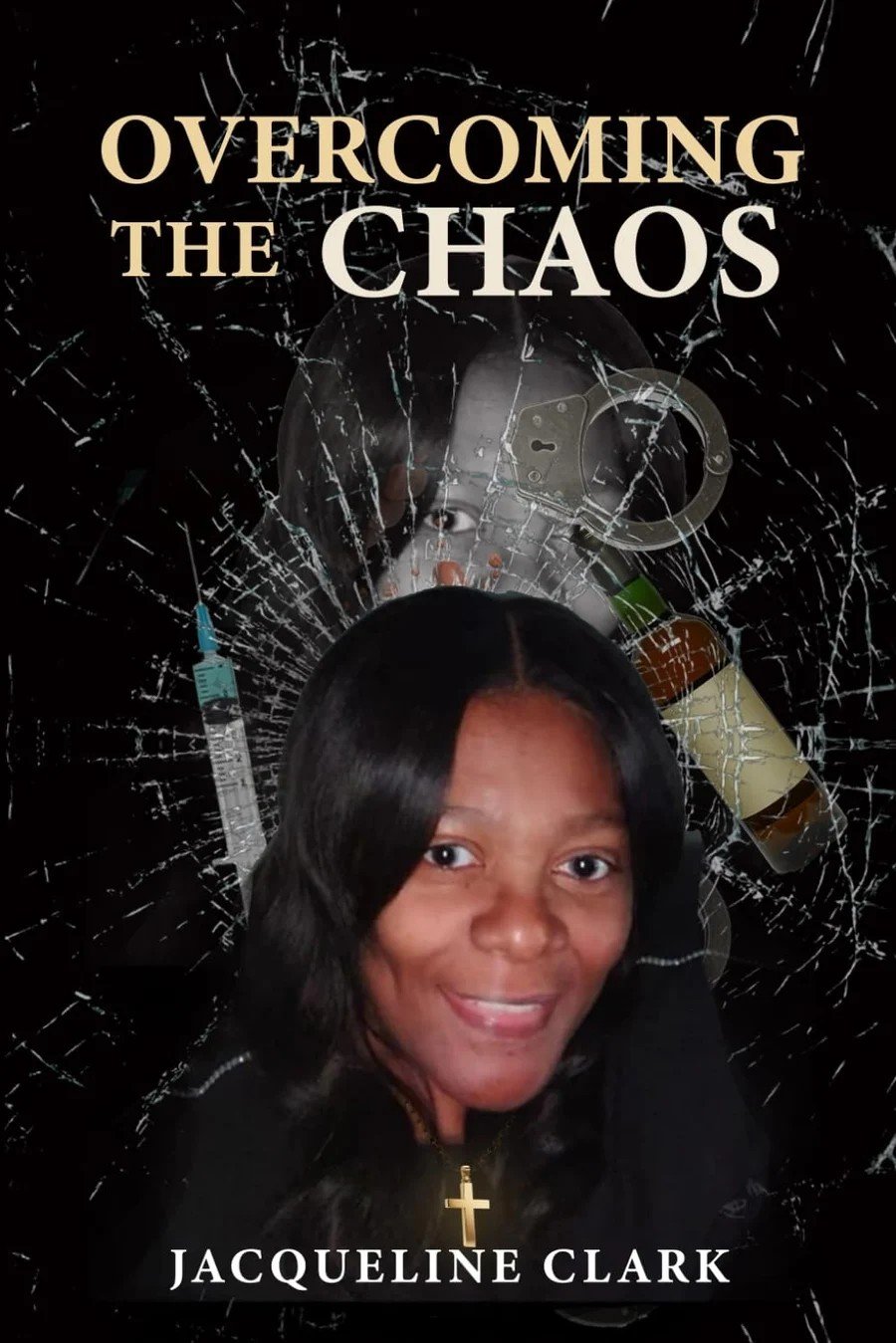
A memoir focused on faith, survival and healing. The finished book represents the kind of deeply personal material that benefits from clarity, structure and a consistent author voice.
View Published Work →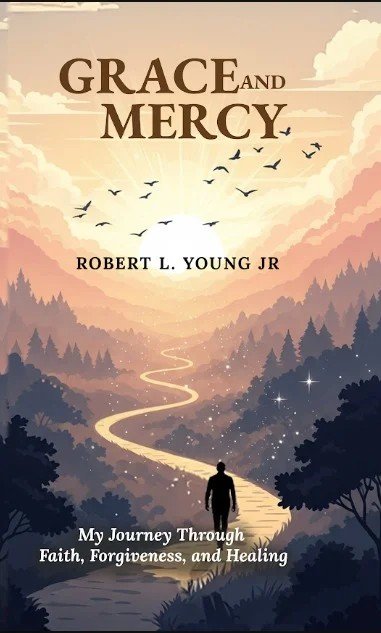
An author project centered on a personal journey of faith, forgiveness and healing.
Personal does not mean unpositioned. The stronger the reader promise, the easier it becomes to make later decisions about title direction, cover language, metadata, categories and marketing.
Hope, recognition, tension, grief, courage, understanding or connection can shape the emotional promise of the book.
The message does not need to become a lesson, but the reader should understand why this particular story matters.
Memoir can overlap with faith, recovery, family, professional life, trauma, travel, culture or personal transformation.
Authors should feel supported through the work without losing ownership of the story they came to tell.
“As a first-time author, having people willing to guide me made a big difference.”
“The team has been very professional throughout the process.”
“They listened patiently and guided me step by step through every stage of publishing my book.”
You do not need a finished manuscript or perfect memory to start the conversation.
No. A memoir is not a complete historical record of your life. We can work from the material you have and identify where additional context, documents or memory prompts may help.
Yes. Many memoir projects can begin with interviews, notes, recordings, journals or partial chapters rather than a finished manuscript.
That is a core part of the process. The goal is to preserve your natural voice while giving the book stronger structure, clarity and consistency.
Sensitive material can be discussed early so boundaries, level of detail and the way difficult experiences are handled remain intentional throughout the project.
Yes. Editing, cover design, publishing, book marketing and audiobook production can be added as separate stages around the finished manuscript.
Tell us what you have today — an idea, journals, notes, recordings, chapters or a complete draft. Name, Phone Number and Email are the only required fields. Everything else is optional.
Prefer to talk? 332-264-9264Start with a private conversation about the story you want to tell, what you already have and what kind of reader you hope it reaches.
Your final live-chat provider will appear here. Until then, this fallback captures a normal website inquiry.